Turan Tales
Turan Tales is a weekly podcast by journalist and author Agnieszka Pikulicka that covers underreported stories from Central Asia. Each episode looks at the people, politics and social change shaping the region, going beyond the headlines to highlight voices and issues that rarely make international news. The show draws on the host's reporting experience across the region to offer context and first-hand accounts. It is produced independently and distributed through Substack.
Odcinki
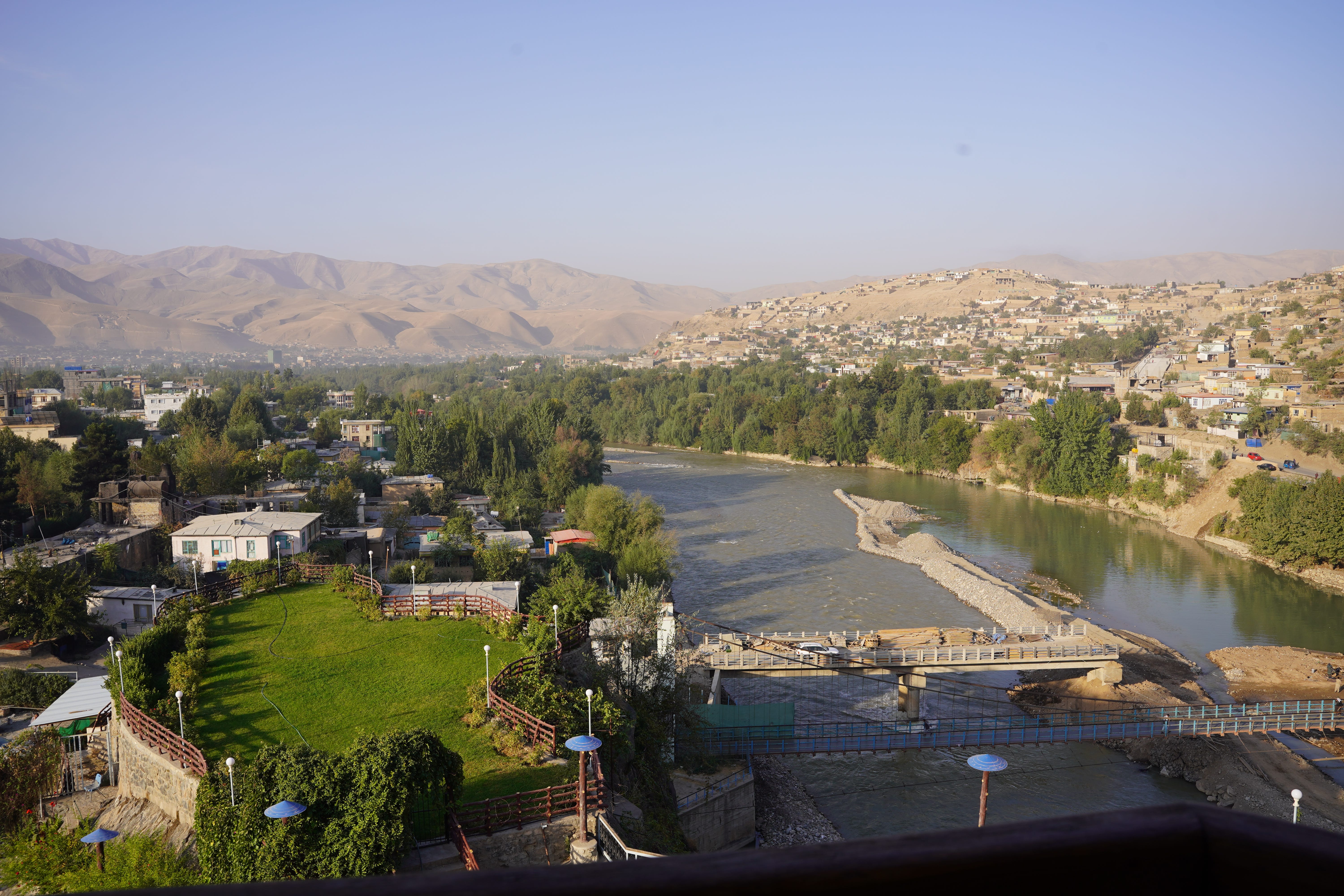
Inside Badakhshan: Tensions on Central Asia’s southern frontier
This is the final story in our series of audio features — also available as long reads — made possible by the International Press Institute. To continue enjoying free access to our audio documentaries, please upgrade to a paid subscription.Home should be a safe place. But for Yasoman Yatimzoda, a 21-year-old from Dashtak village in the Darvoz district of Tajikistan’s Gorno-Badakhshan region, it pr
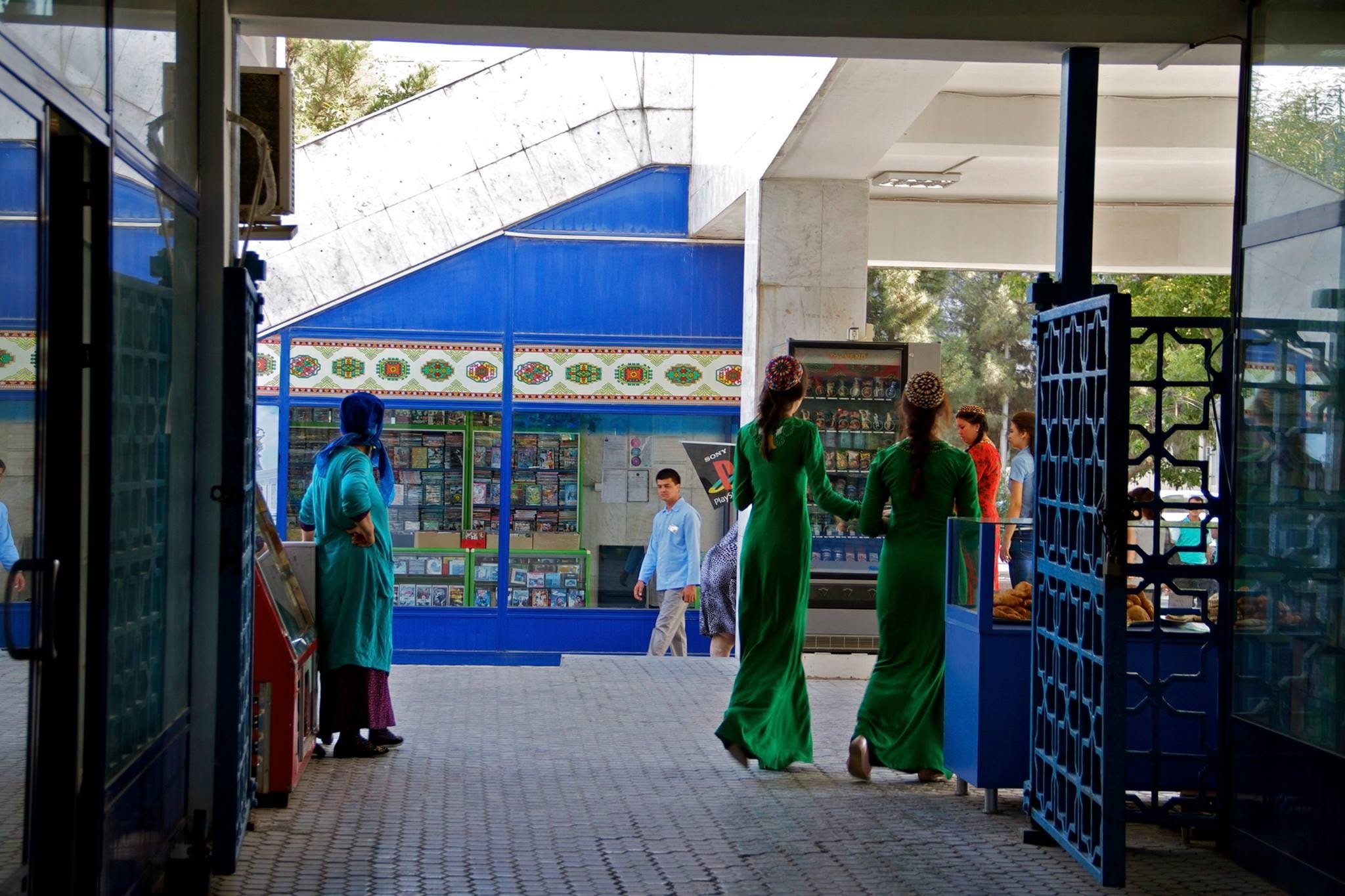
Episode 52: What does it take to leave Turkmenistan?
Turkmenistan is one of the world’s most isolated countries, and getting in and out is a real challenge. Nevertheless, Turkmen diaspora communities do exist abroad. Turkmens work and study in other countries, and many send remittances to support their families back home.In this episode, we look at how difficult it is to leave Turkmenistan. Who manages to leave, what motivates them, and where do the
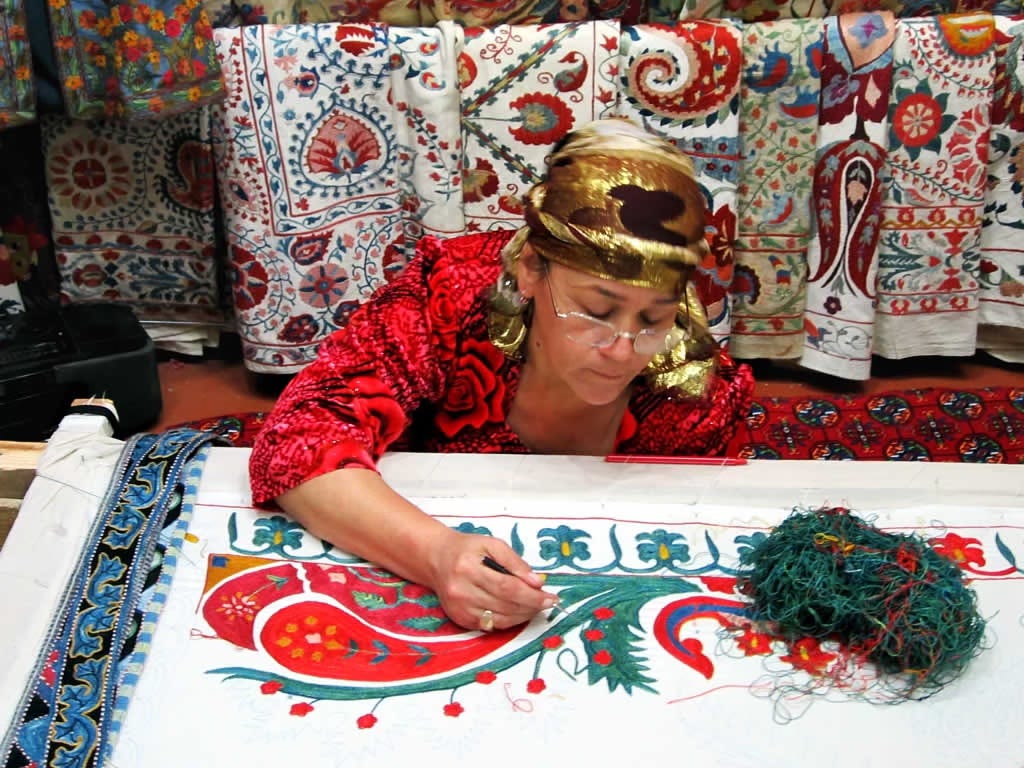
Episode 51: What does “Suzani feminism” tell us about female agency?
My guest today, Almira Tabaeva, has been studying feminism and female agency in Central Asia. As an Uzbekistani citizen herself, she has drawn on her family archive and family memories to tell a bigger story about women in the region: their history, lives, and agency. Going against the currents of Western feminist thought, as well as the modernist ideas of the Soviet era, she has coined the term “
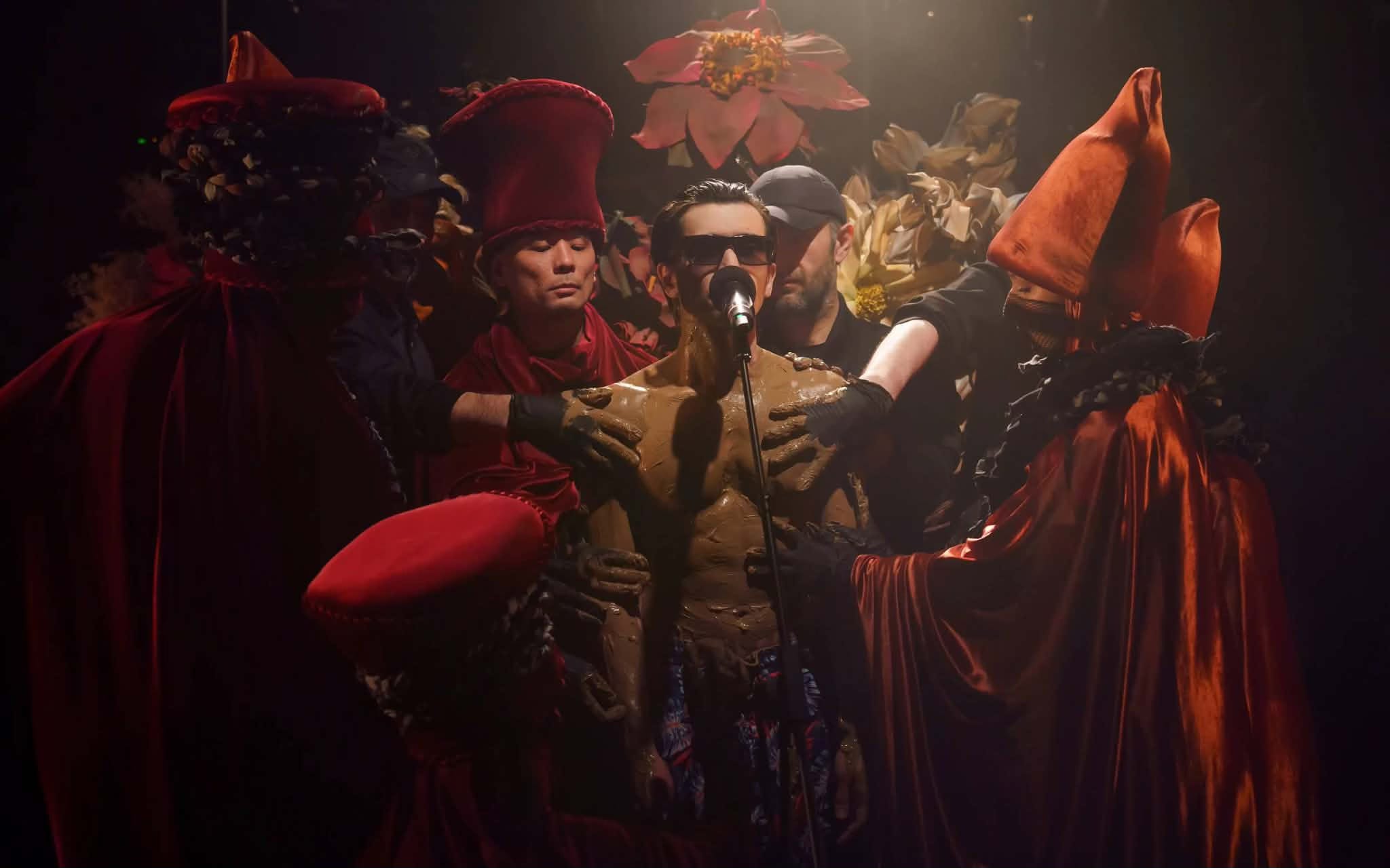
Episode 50: Ilkhom - The boldest theatre in Central Asia
The Ilkhom Theatre, founded in 1976 by Uzbekistani theatre director Mark Weil, is an institution like no other, not only in Central Asia but far beyond it. Brave, unconventional and visionary, it has provided a space for freedom of expression and social commentary, often going against the current despite a hostile political climate.And that spirit continued even after the tragic murder of its foun
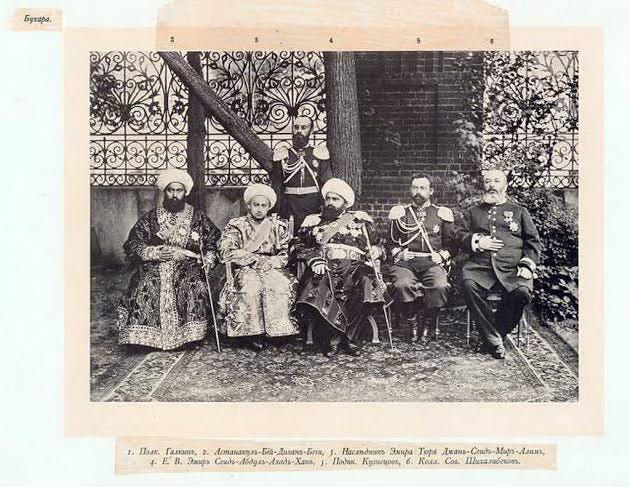
Episode 49: The Great Game that never was
In the context of Central Asia, there is one insufferable metaphor that makes my eyes roll every time I see it. And unfortunately, we all see it often. It’s the metaphor of the Great Game. Whether we are analyzing the diversification of Central Asian countries’ international partnerships or writing about investment in critical minerals, lazy editors love repeating the same old frame: the Great Gam
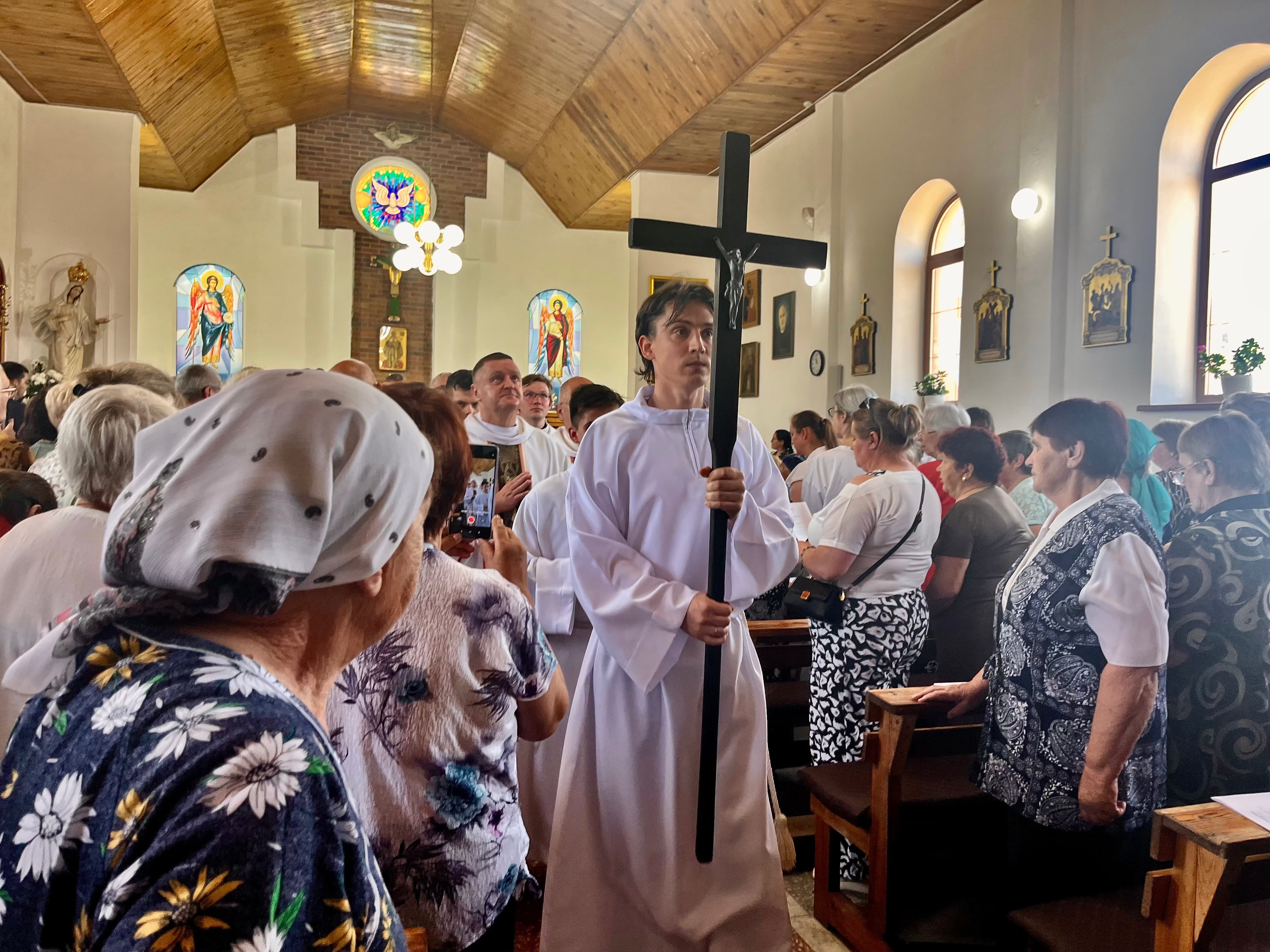
Episode 48: What Soviet Kazakhstan had in store for Poles deported by Stalin - and where they are now
In late June, my guest today and I travelled to Oziornoye, a Polish village in northern Kazakhstan. It was a special occasion: the 90th anniversary of the deportation of ethnic Poles from the eastern borderlands of the Soviet Union to Kazakhstan. But what exactly has the experience of Polish deportees in Kazakhstan been like?Today, we will talk about that with Ivan Sokolovskiy, an expert on the su
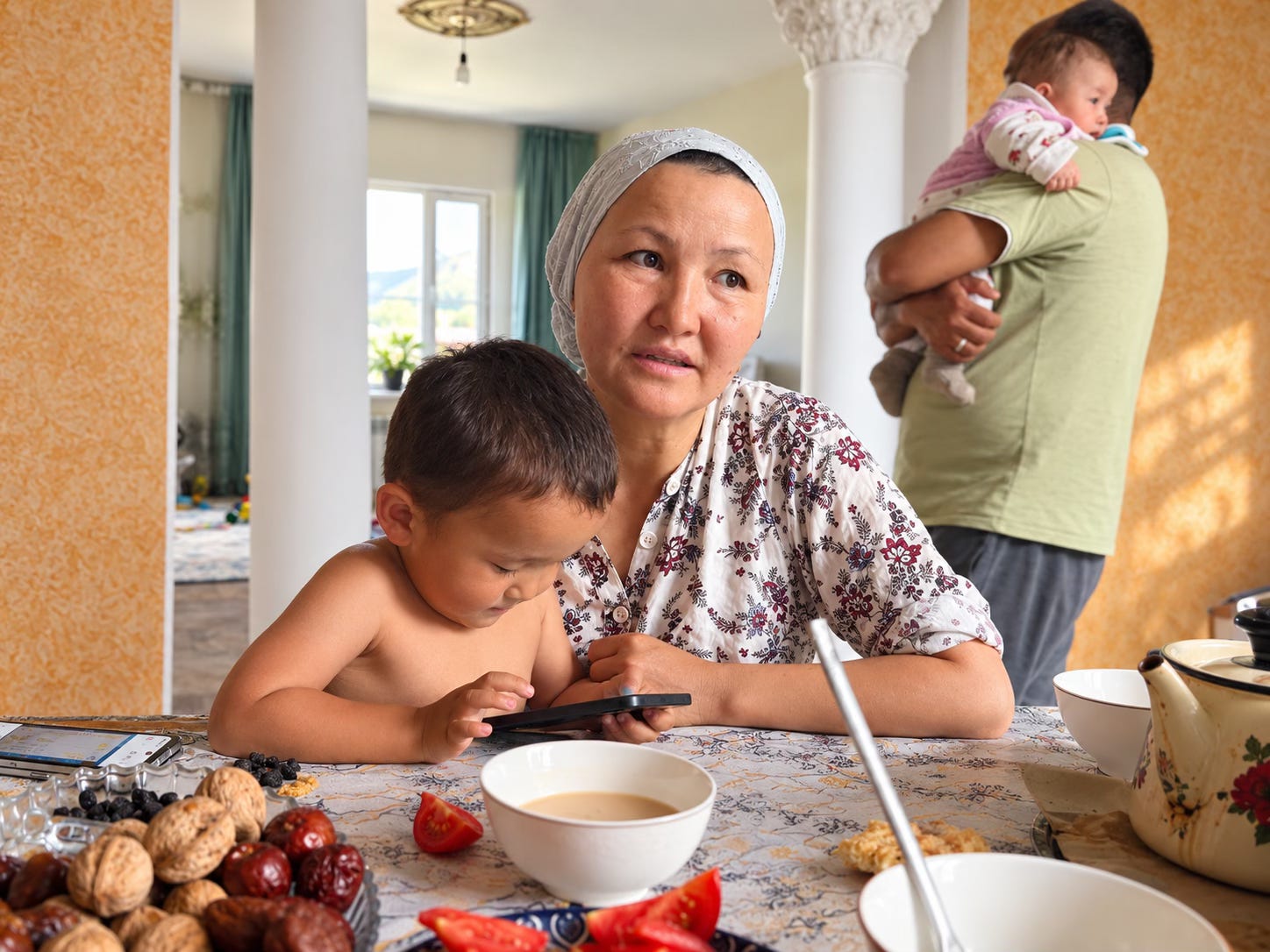
Blood brothers: How China’s war against Muslims spilled over to Kazakhstan
Since the 1990s, thousands of ethnic Kazakhs have left Chinese Xinjiang for Kazakhstan to live among their own people and escape Hanification. But crossing the border did not mean escaping China’s reach. Get full access to Turan Tales at turantales.substack.com/subscribe
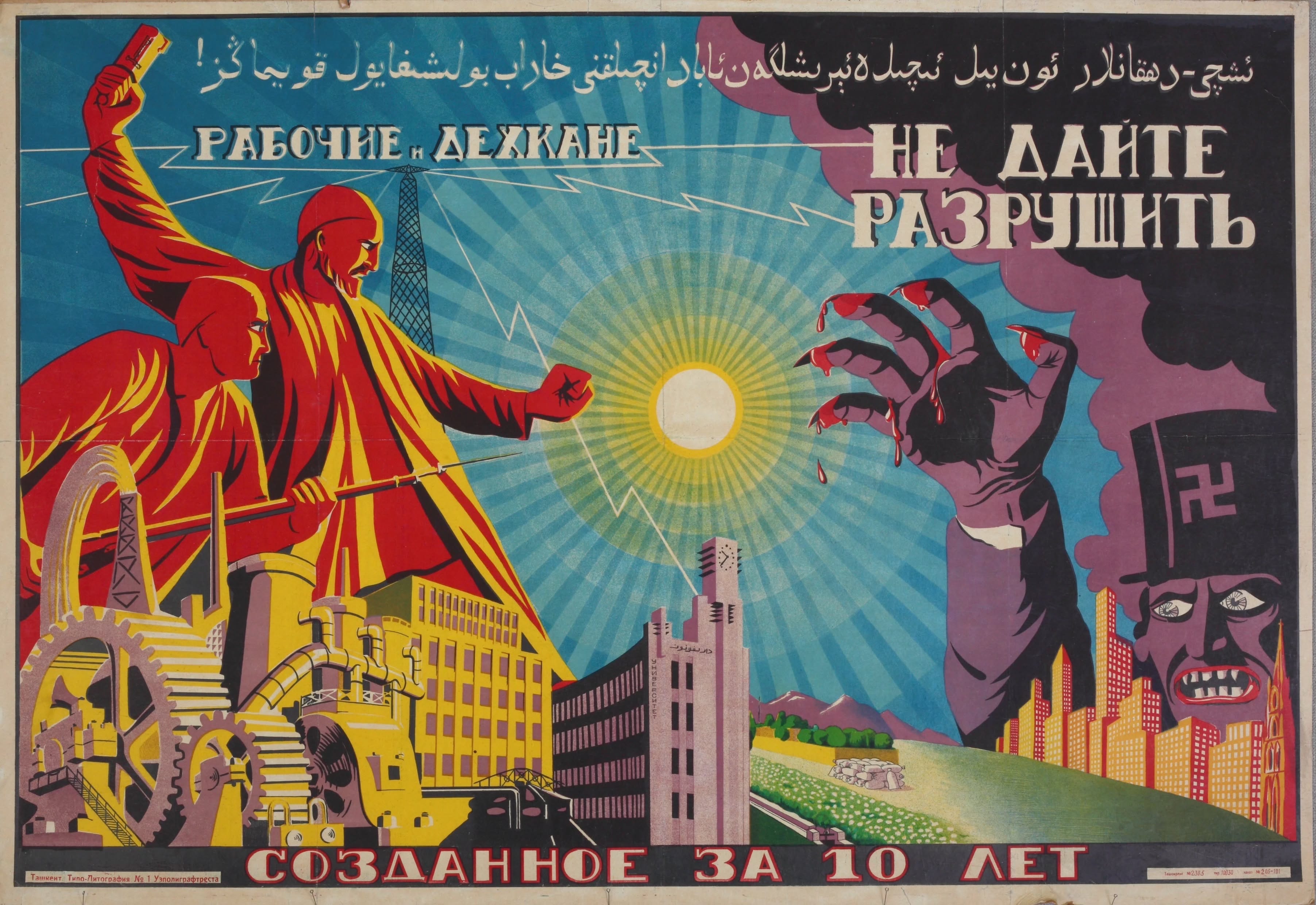
Episode 47: Does Central Asia need left-wing politics?
Hi all,I’ve been working as a journalist for over a decade and before that I was an NGO worker, and a student in several different countries. In all of them, left-wing movements, activists, including Marxist groups, were presents in different shapes and forms. I met them regularly during protests, conferences and they were part of my social circles. This is not the case in Central Asia.When I move
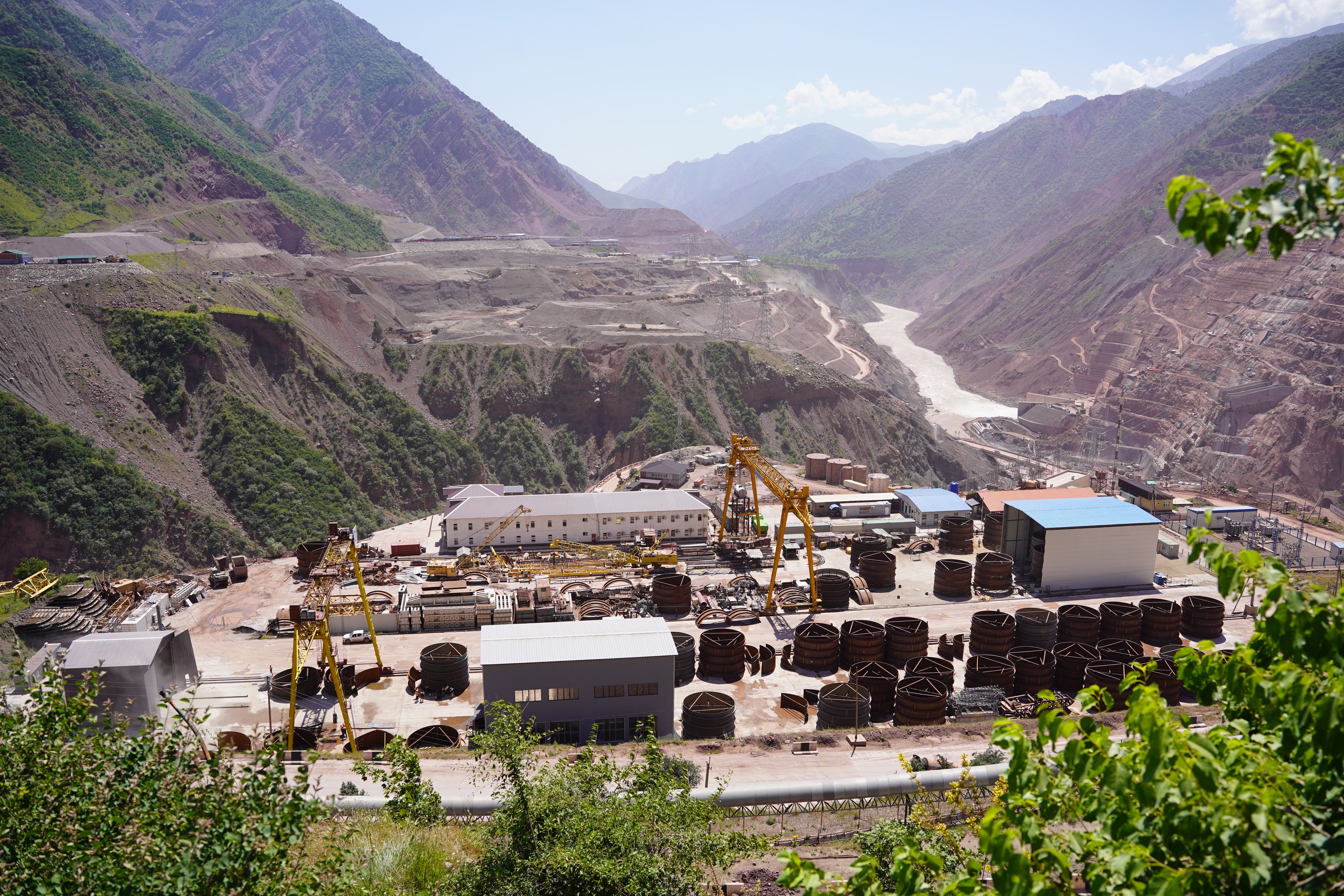
Episode 46: Where is development taking Central Asia?
Central Asia is undergoing rapid social and economic transformation. Digitalisation and internet access are expanding, while new infrastructure and development investments are growing across the region.But despite this progress, many areas remain overlooked by local governments and international institutions supporting development programmes. And the rapid pace of change itself brings new challeng
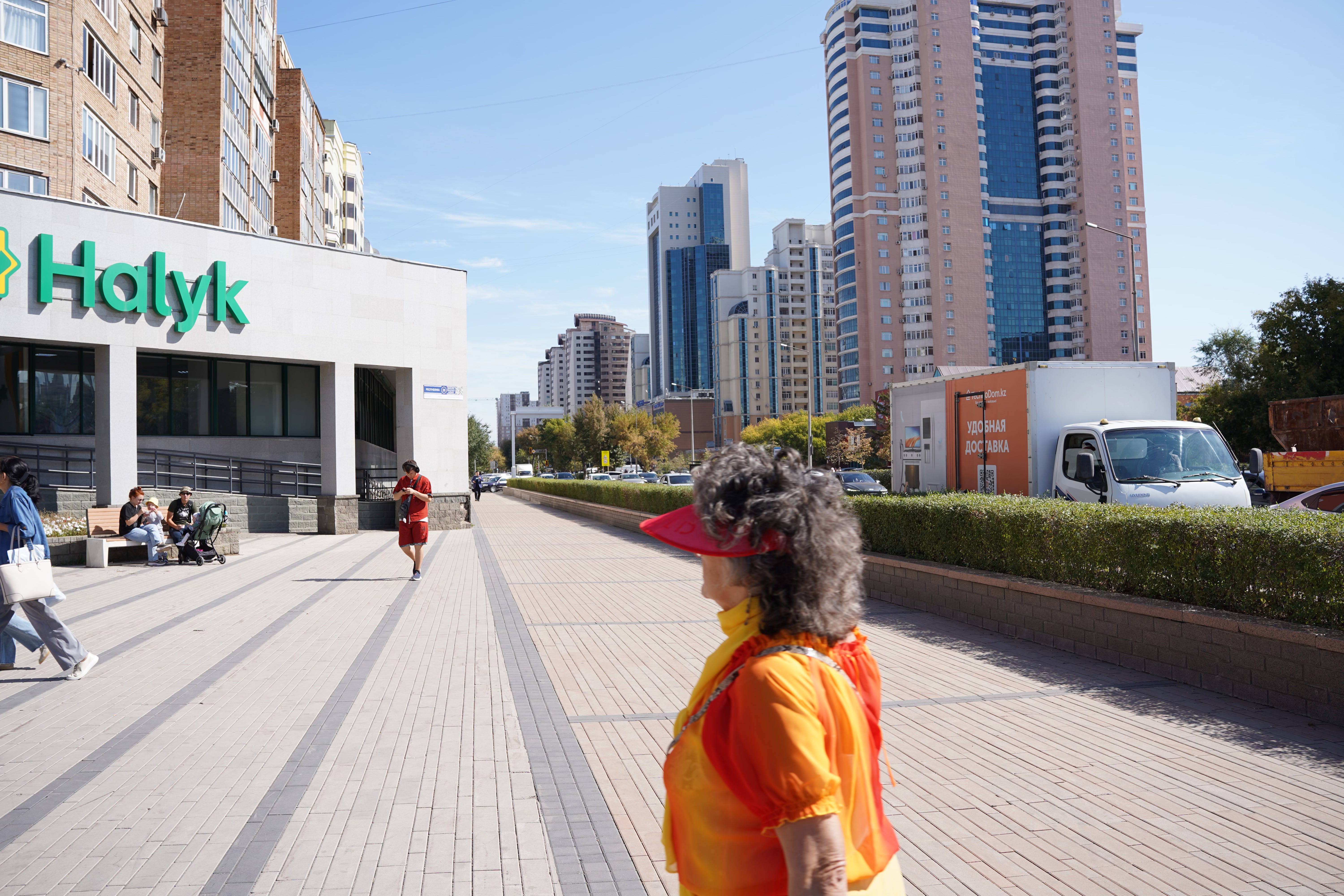
Episode 45: Is “post-Soviet” still relevant?
This week, we’re talking about the much-maligned but also much-overused concept of the “post-Soviet”. To unpack this term, we are joined by Erica Marat, a Washington DC-based academic, originally from Kyrgyzstan. Her research focuses on organised crime, violence, mobilisation, and security institutions in Central Asia, North Asia, and Europe. She is the author of several books, most recently Decol
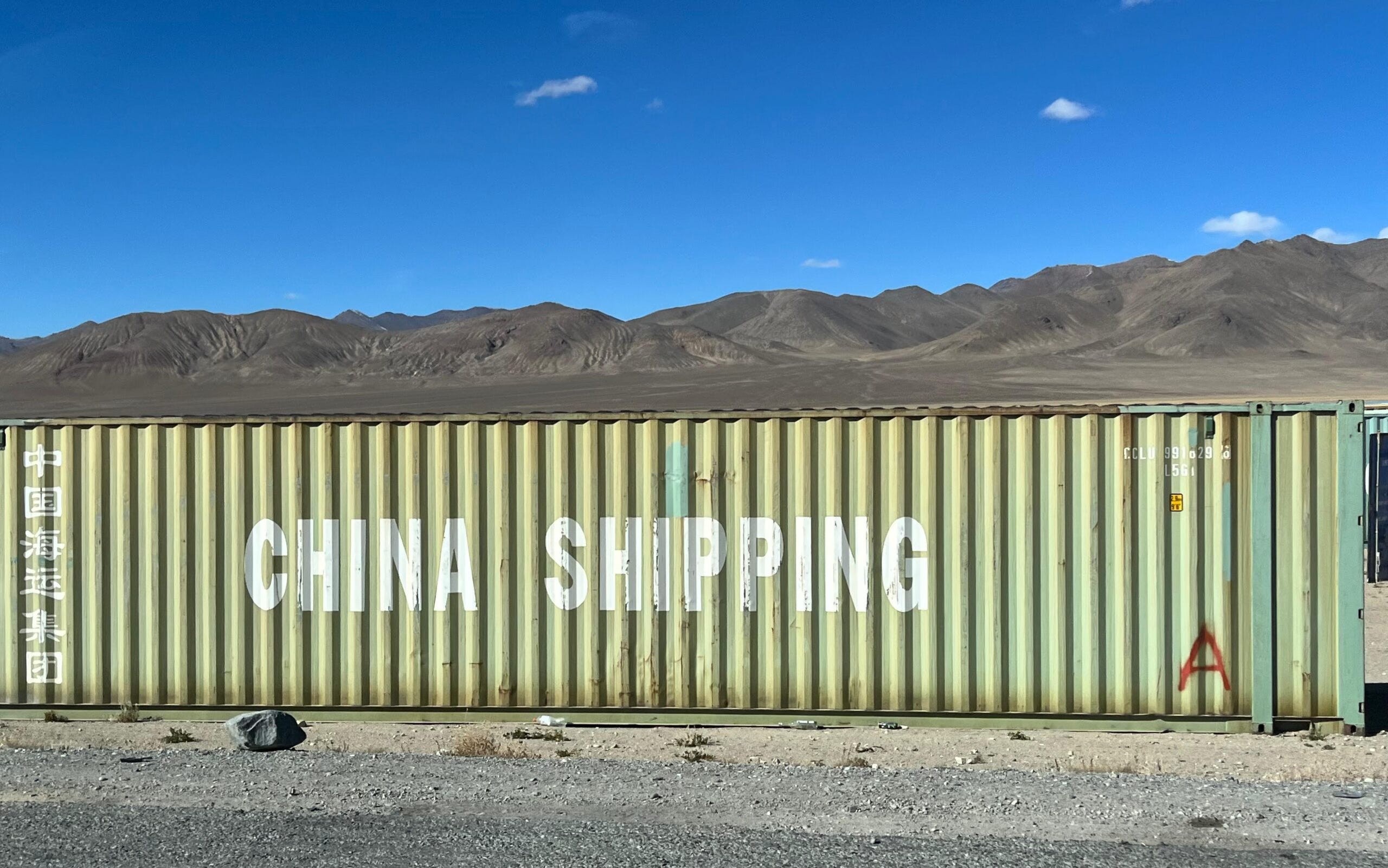
Episode 44: Why does China have an image problem in Central Asia?
China’s presence is increasingly visible across Central Asia. Chinese-made electric vehicles are becoming more common on the roads, Chinese companies are investing in the local markets, and more young people are choosing to study in China.Yet research by Edward Lemon and Bradley Jardine found that China is viewed less favourably than any other major power in Central Asia. Why is that? How has Beij
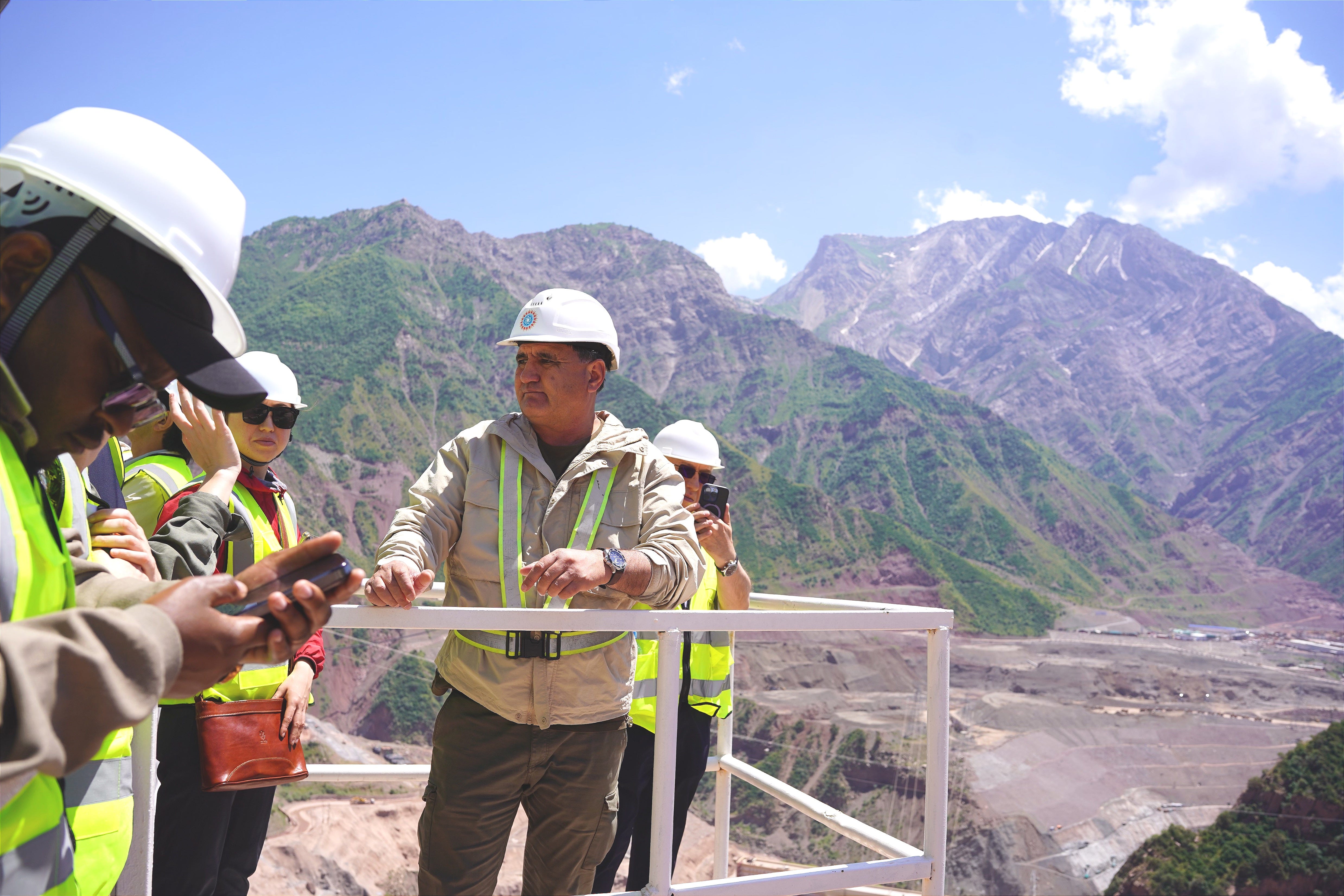
Can Tajikistan fix Central Asia’s water crisis?
Tajikistan has emerged as a leading advocate for global water cooperation. Yet as the water crisis worsens across Central Asia and beyond, finding solutions has become increasingly urgent. Get full access to Turan Tales at turantales.substack.com/subscribe
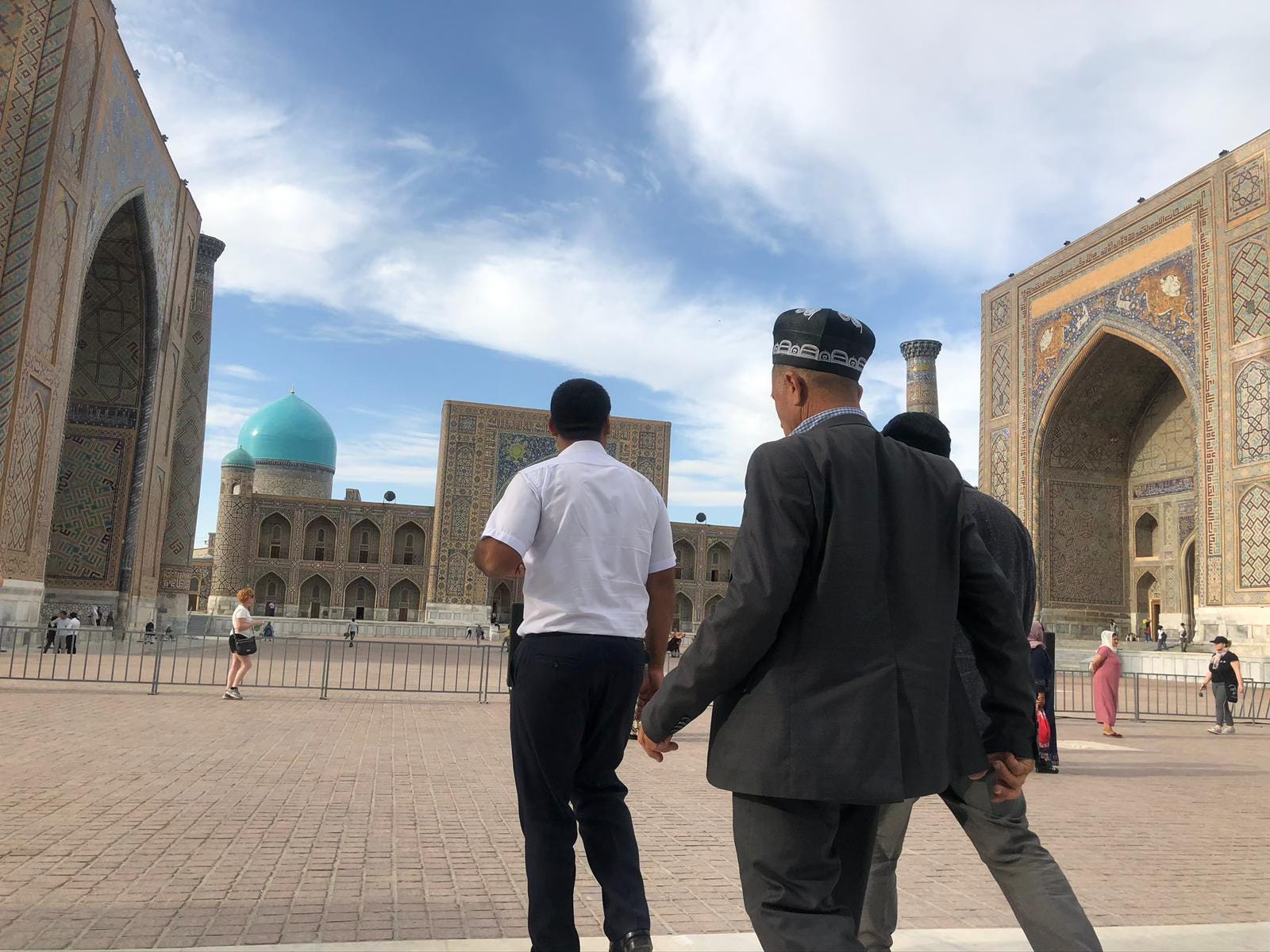
Episode 43: Has Islam ever posed a threat to the Uzbek state?
In the last interview before the summer break, we speak with Bagila Bukharbaeva, the author of The Vanishing Generation: Faith and Uprising in Modern Uzbekistan. We discuss Uzbekistan’s turn toward religion, unpack the events that led to the Andijan massacre, and examine whether religion has ever posed a genuine threat in the country. We also talk about Bagila’s own experience covering her communi
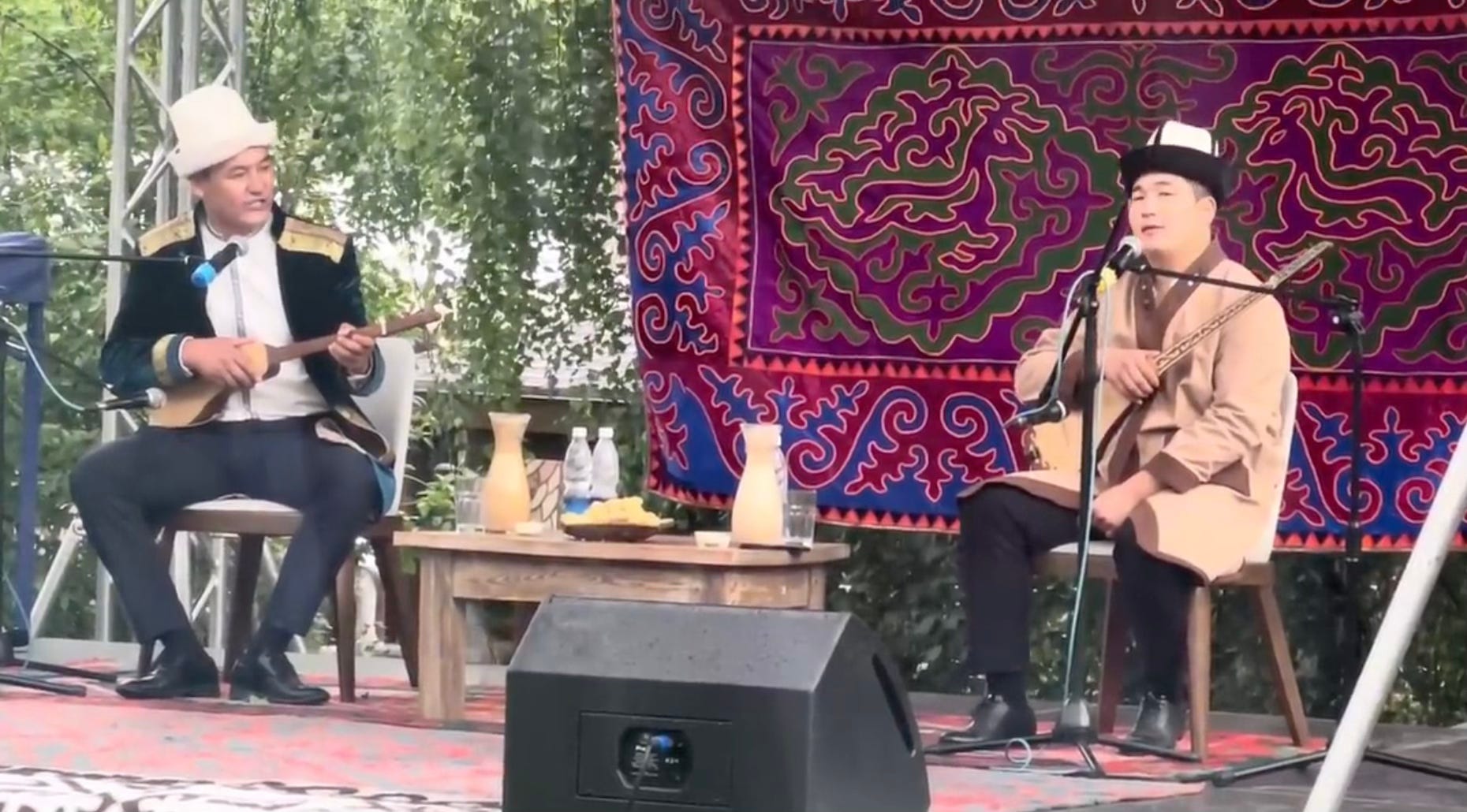
Episode 42: Why Central Asia still needs akyns - the poets who speak truth to power
This week, we discuss the craft of akyns and aitysh, their poetic duels. We look into the history of this art form, its historical functions, and how these have changed during the Soviet era and since the collapse of the USSR. We also examine the social significance of aitysh and the differences between traditional akyns and those who have turned to journalism.Joining us is Akylai Otkulbek kyzy, a
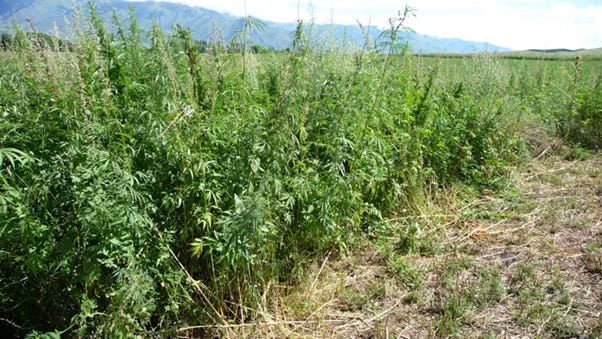
Episode 41: Hashish and survival in rural Kyrgyzstan
This week, we look at cannabis economy in Kyrgyzstan: how the harvesting began, who benefits from it, and how local authorities respond to the phenomenon. Is there any incentive in Kyrgyzstan to legalise the crop? Joining us is Gulzat Botoeva, Associate Professor of Criminology at Swansea University and an expert on illegal economies in Eurasia, including cannabis production in Kyrgyzstan. Get fu
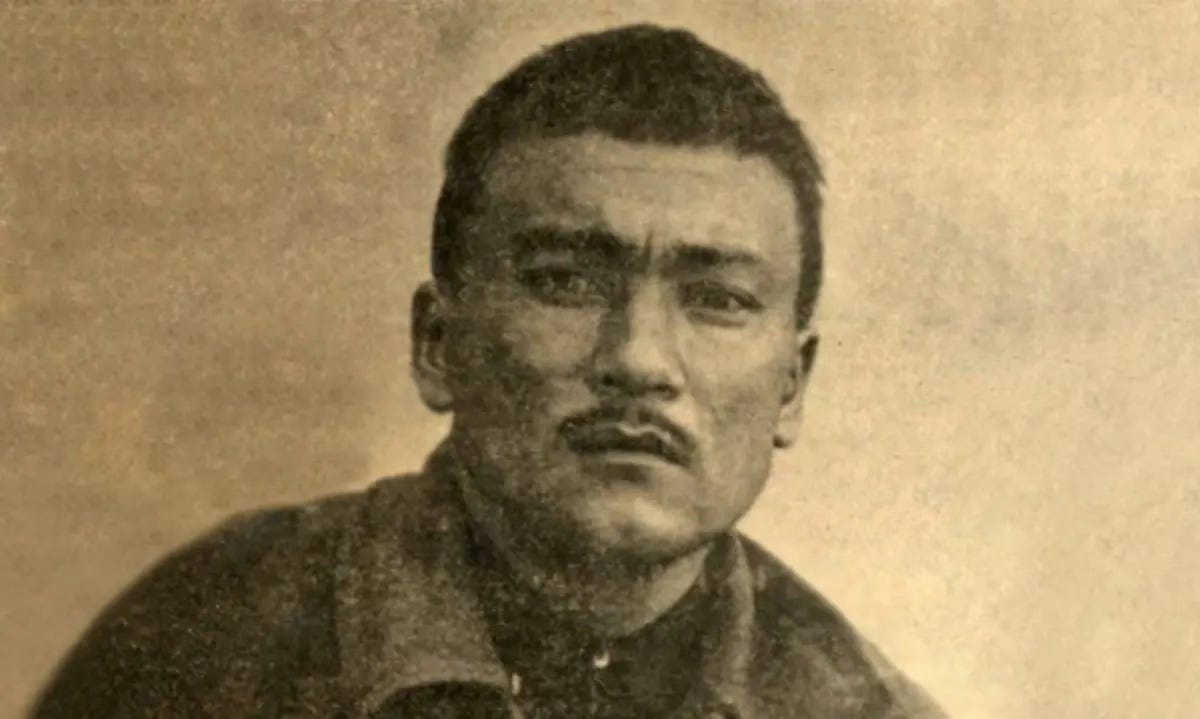
Episode 40: Abdulla Qodiriy's "Bygone Days" and the fight for intellectual property rights
This week, we're joined by Mark Reese - translator of Abdulla Qodiriy's Bygone Days from Uzbek to English, academic and entrepreneur. We talk about the cultural and social significance of Bygone Days, the message it conveyed about the past, present, and future of the region, and the lessons we can draw from it today.We also discuss his early days as a Peace Corps volunteer in Uzbekistan, his love

Episode 39: What cinema can tell us about Central Asia
This week, we’re diving into the fascinating history of Central Asian cinema and the ways Central Asia and Central Asians have been portrayed in foreign films. We’ll explore colonial tropes in portrayals of the region during Soviet times, how these representations influenced Central Asians’ self-image, and how they changed after the fall of the Soviet Union.We’ll also talk about different waves in
Iya’s lifelines: A Jewish journey to survival in Central Asia
In the 1940s, Tashkent became an unlikely centre of Yiddish culture as Eastern European Jews were evacuated to Soviet Central Asia during World War II. Yet the story has remained largely forgotten. Get full access to Turan Tales at turantales.substack.com/subscribe
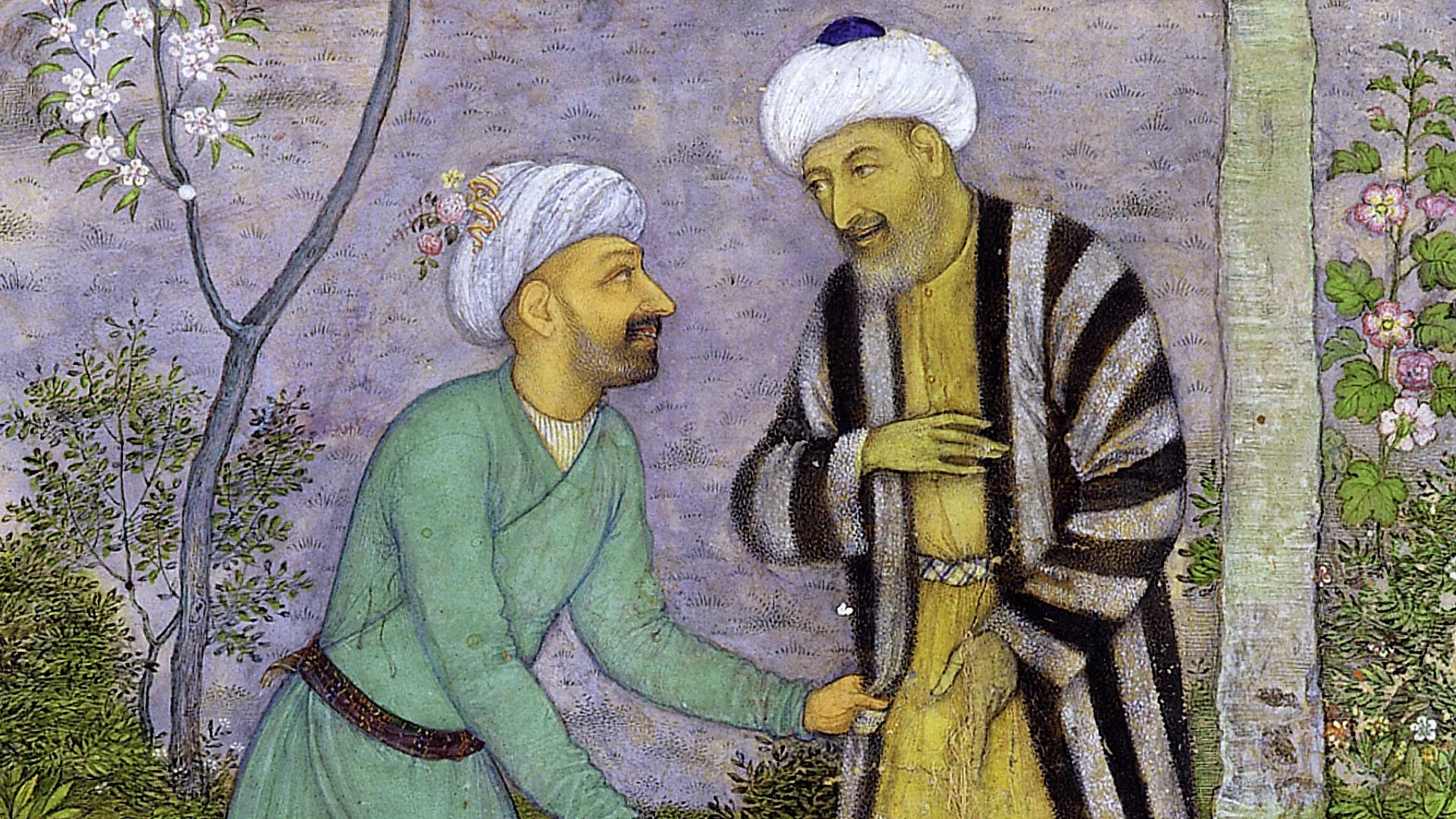
Episode 38: Inside Turan. The Persian legacy in Central Asia
The word Turan, which appears in the title of this podcast, has Persian linguistic and literary origins -- something we’ll be talking about today. We’ll look at Persian influences in Central Asia, how the language spread across such faraway lands, why Persian culture became so fashionable, and how this influence eventually faded. Joining us is Ruben Nikoghosyan, a lecturer in Middle, Classical, an
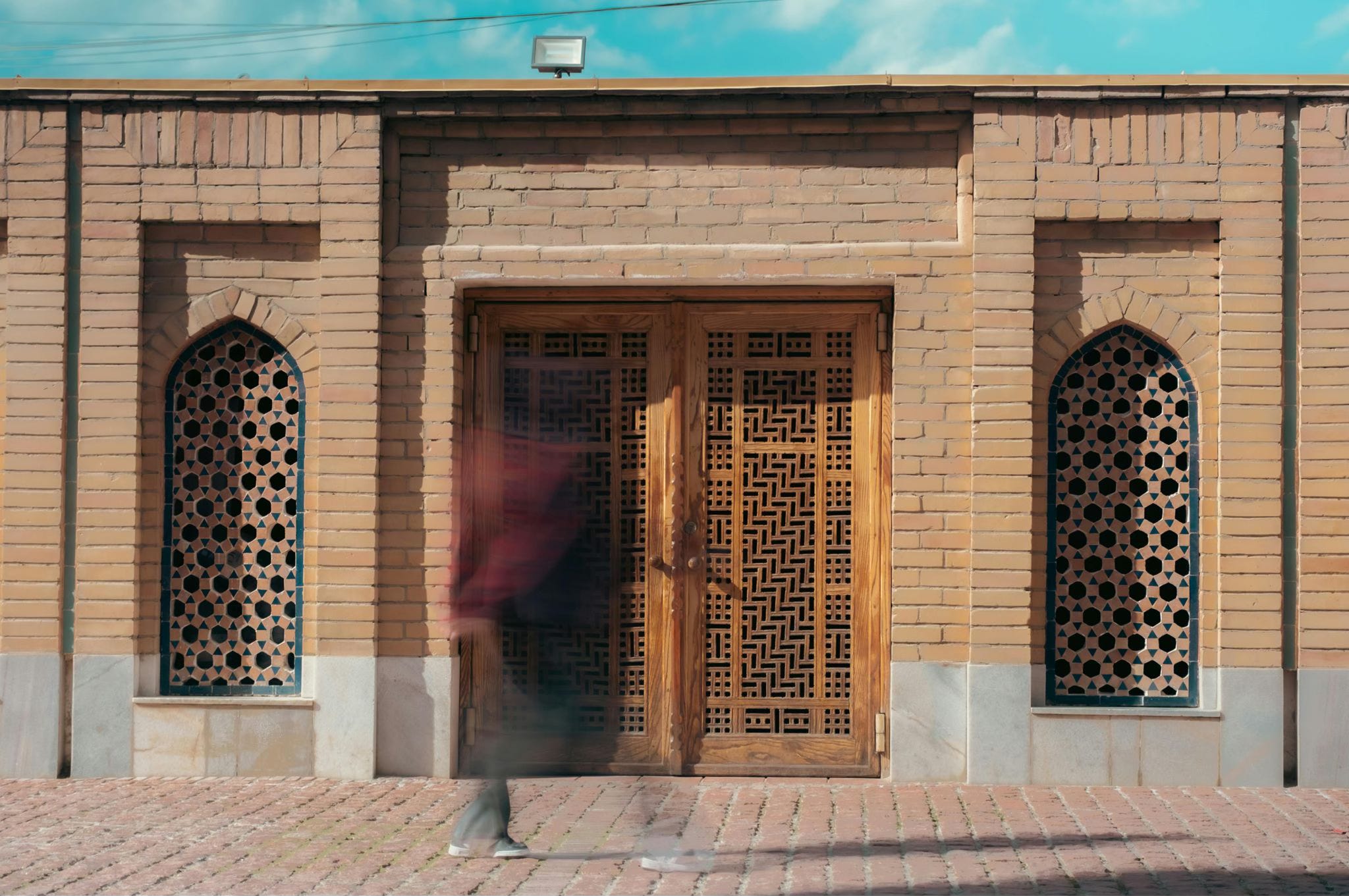
Episode 37: What has become of Russia's Wartime exiles in Central Asia?
This week, we look at Russian wartime migration into Central Asia: how it unfolded, what motivated Russians to choose the region as their destination, how they rebuilt their lives there, and how this movement has reshaped Central Asia.Joining us is Yan Matusevich, a journalist and Ph.D. candidate in cultural anthropology at the Graduate Center of the City University of New York. His doctoral resea

Episode 36: Why is crypto growing in Central Asia - and who benefits?
This week, I would like to ask you a very big favour: please fill in a listeners’ survey about Turan Tales to help us improve.For those of you with a Substack account, here is a Substack survey: https://turantales.substack.com/publish/stats/surveys/6783588For those who don’t have one, there's a Google form: https://docs.google.com/forms/d/15cvn9Y3HIAbuDdvmyvnFWrNcgcrDNSYVhnn7aUg-zyE/editAs for thi

Episode 35: Who is crying for Tashiev? The end of Kyrgyzstan's ruling duo
In this episode, we look at the fall of Kyrgyzstan’s ruling duo: President Sadyr Japarov and security chief Kamchybek Tashiev. We discuss how they came to power, why their alliance may be breaking down, and what this tells us about power, patronage, and regional divides in Kyrgyzstan. We also ask who is mourning Tashiev’s fall.Joining us is Aksana Ismailbekova, a Kyrgyz anthropologist and research

Rainbow Almaty: The end of a queer dream
As Russia’s anti-LGBTQ propaganda law spreads across the region, queer spaces in Kazakhstan’s second-largest city are disappearing – and with them, the city’s creative pulse. Get full access to Turan Tales at turantales.substack.com/subscribe

Episode 34: Tengrism in Central Asia. From ancient belief to cultural phenomenon
This week, we focus on Tengrism, the ancient belief system of the Eurasian steppe that has faced centuries of change, from the rise of Islam to Soviet suppression.While its rituals remain part of Central Asian culture and are seeing renewed interest, it is still widely misunderstood.What exactly is Tengrism? And why did Kazakhstan refuse to register it as an official religion?Joining us is Abigail

Episode 33: Lessons on independence from the former Soviet republics
My guest today was born in 1991, the same year the Soviet Union collapsed.A few years ago, he set out to explore what’s happened to the countries it left behind, and whether life beyond Russia’s shadow has brought the freedom and prosperity many hoped for.His name is Joe Luc Barnes, and you might recognise his voice from our audio documentaries.His new book, Farewell to Russia: A Journey Through t

Episode 32: Kazakh women across centuries. From the yurt to digital resistance
Last Sunday, March 8th, Turan Tales celebrated turning one with its first live podcast and a community gathering in Almaty. We sat down with Kazakh podcaster and feminist Aisulu Toyshibek to talk about women’s rights in Kazakhstan and how the situation has changed over the centuries and in the last few decades.Here is our talk. Get full access to Turan Tales at turantales.substack.com/subscribe

Episode 31: Why is Kazakhstan rewriting its Constitution?
This week we look at Kazakhstan’s new draft constitution and what it could mean for the country’s future. Our guest is Dmitriy Mazorenko, journalist and co-founder of the Superstructure research centre. Get full access to Turan Tales at turantales.substack.com/subscribe

Episode 30: Goodbye, old Dushanbe. Hello, AI hub?
Over the past several years, Dushanbe has been on a path toward modernisation. New buildings, many of them Chinese-funded, have dotted the city’s landscape, dramatically transforming its traditional architecture.What has driven this wave of redevelopment? Will it help Tajikistan become the next AI hub in the region, as the authorities hope? And what does it all have to do with environmental degrad

Episode 29: The human rights system is in peril. What does it mean for Central Asia?
This week, we're looking into the newly released 2026 Human Rights Watch report and how a shifting global order is reshaping human rights across Central Asia. We’re joined by Mihra Rittmann, Senior Central Asia Researcher at Human Rights Watch, to unpack key findings related to the region. Get full access to Turan Tales at turantales.substack.com/subscribe

Good education: The rise and fall of Hizmet schools in Central Asia
They promised world-class education to a region shattered by the Soviet collapse. Twenty years later, Hizmet schools fell prey to Turkey’s internal conflicts -- and their own secrecy. Get full access to Turan Tales at turantales.substack.com/subscribe

Episode 28: From nomad tents to Soviet walls - The story of Central Asian carpets
This week, we talk about carpets in Central Asia: their history, the differences between various carpet-weaving styles, the roles carpets played in different communities, and how the Soviet Union hijacked the practice of carpet making and transformed it to serve its own purposes.Joining us is Anushe Dust, a Tajik-born founder and editor-in-chief of RugMag magazine, where she uncovers the stories,

Episode 27: The Tajik-Afghan borderland - What’s going on and how we got here
This week, we’re taking a closer look at the Tajik-Afghan border. In the recent months, the area appeared in the media in the context of shootings and armed clashes that costed the lives of at least ten people, according to the AFP.What do recent incidents reveal about security along the Tajik–Afghan border? And how have the relations between Tajikistan and Afghanistan evolved? To answer these que
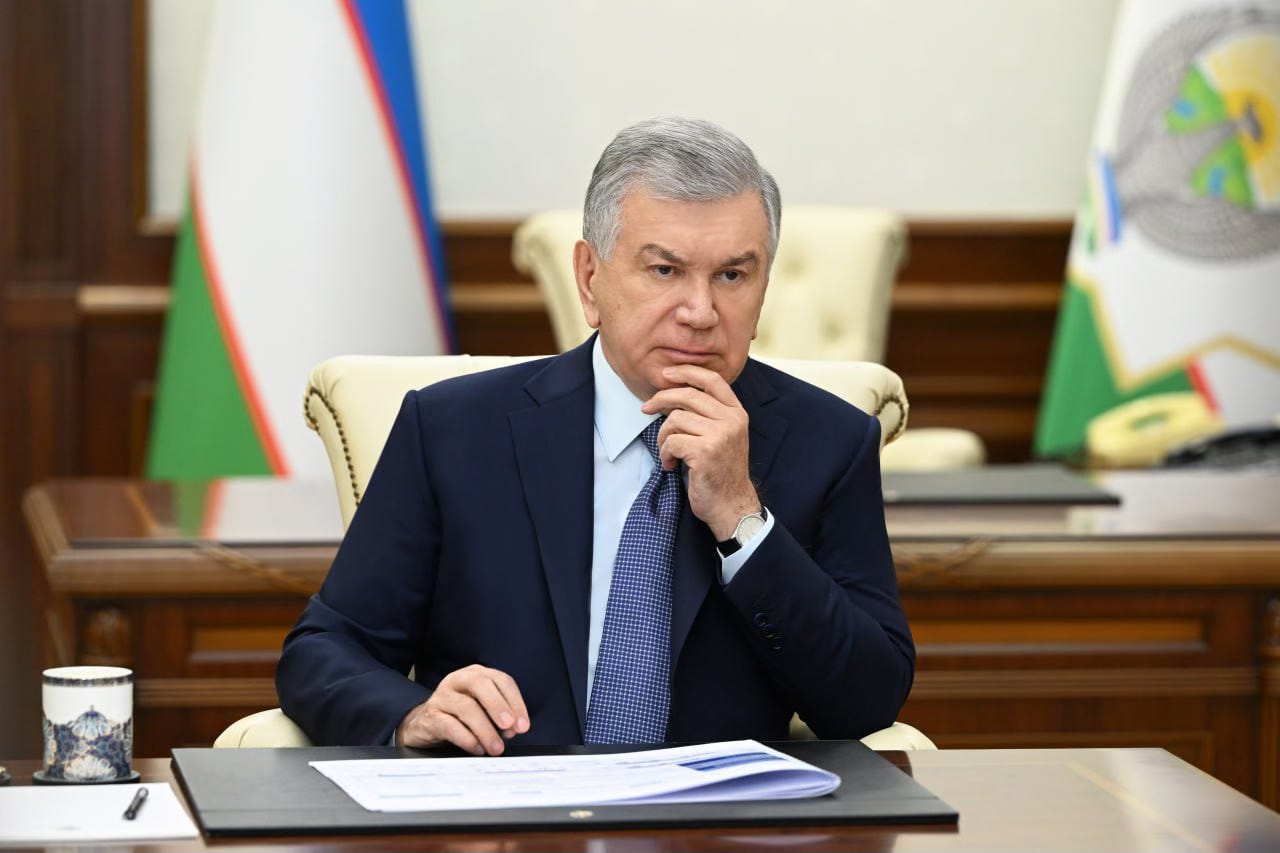
Episode 26: The limits of change in the "New Uzbekistan"
This week is about change - and the lack thereof. We will be looking at Uzbekistan: how the country was shaped during the post-Soviet period under the regime of Islam Karimov, and what has changed since Shavkat Mirziyoyev came to power. How different is the “New Uzbekistan” from the Karimov era?Joining us is Joanna Lillis, a Kazakhstan-based journalist and the author of Silk Mirage: Through the Lo

Episode 25: Black gold nation - How oil and gas shaped Kazakhstan
Welcome to the first episode of Turan Tales in 2026! We'll look at the fascinating story of oil and gas in Kazakhstan: the history of the industry, corruption scandals, the environmental damage it likely causes and much more.Joining us is Paolo Sorbello a journalist and researcher based in Almaty, Kazakhstan. He is the English language editor at independent news outlet Vlast.kz where he also hosts
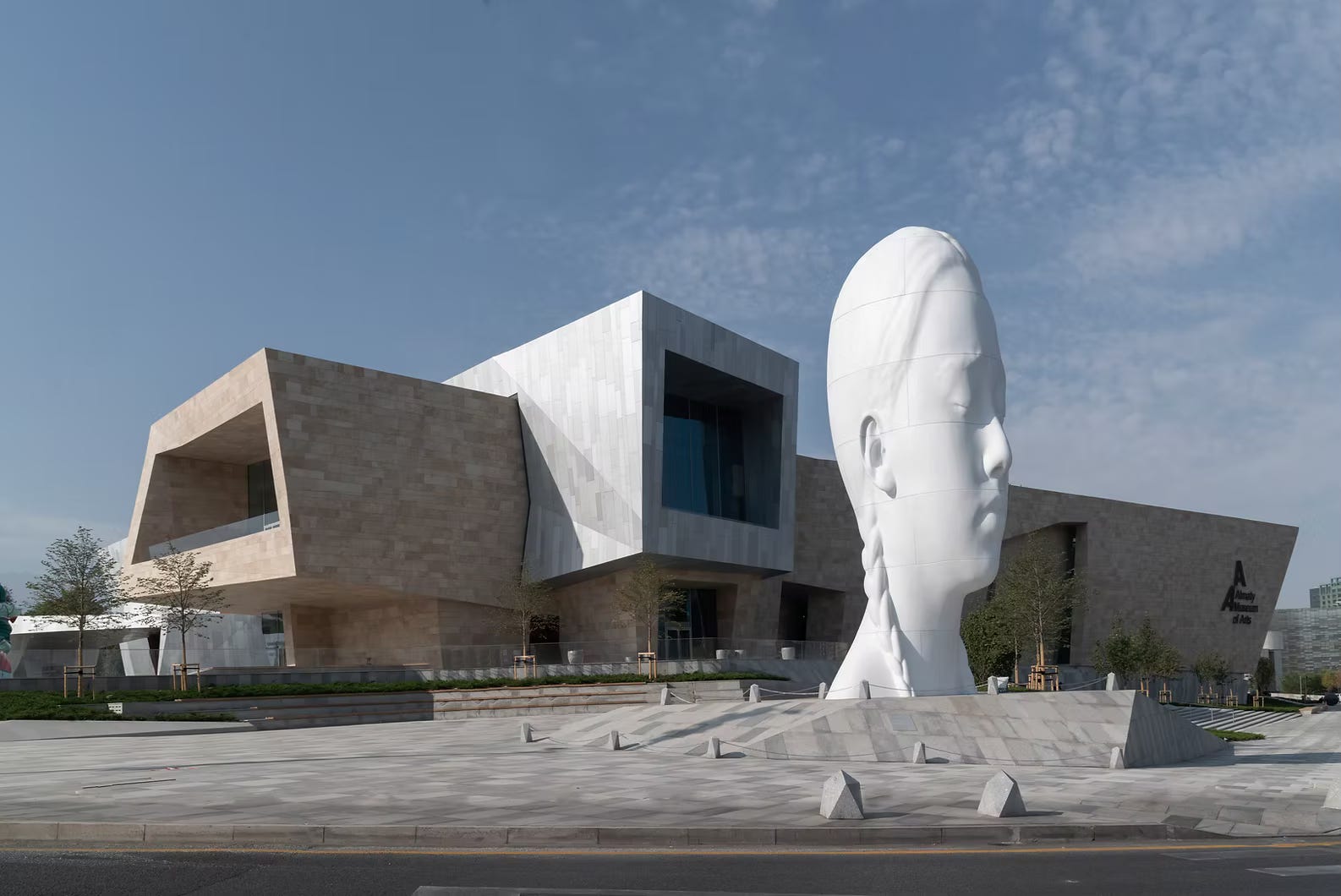
Episode 24: Can modern art flourish in Central Asia?
Over the past few months, Central Asia has witnessed a series of significant developments in the art world, from the opening of the Almaty Museum of Arts, the largest modern art museum in the region, to the launch of the first-ever Bukhara Biennale.As new institutions, exhibitions, and art spaces continue to emerge across the region, a larger question arises: Can modern art flourish in Central Asi

Episode 23: After the elections - Inside the “New Kyrgyzstan”
On November 30th, Kyrgyzstan went to the polls to elect a new parliament - the first since Sadyr Japarov became president in 2021 following a revolution just a few months earlier. How exactly has Kyrgyzstan changed under Japarov, who has ruled in tandem with the powerful head of the security services, Kamchybek Tashiev? And what should we know about the latest election?To find out, I spoke to Asel

Episode 22: Who will save Samarkand?
This week we're joined by Diora Rafieva, an Uzbekistani lawyer and human rights activist who has been at the frontline of the fight to save Samarkand and its architectural and social heritage from the ongoing demolitions - and bad taste. Get full access to Turan Tales at turantales.substack.com/subscribe

The Unlikely mercenaries: Central Asians fighting Russia’s war
They came to Russia for work, not war. Yet thousands of Central Asian migrants now fight in Ukraine - drawn in by promises, pushed by pressure, and caught in a stark imbalance of power.This story is part of our new series of audio features - also available as long reads - made possible by the International Press Institute. If you enjoy it, leave us a comment or reply to this email with your feedba
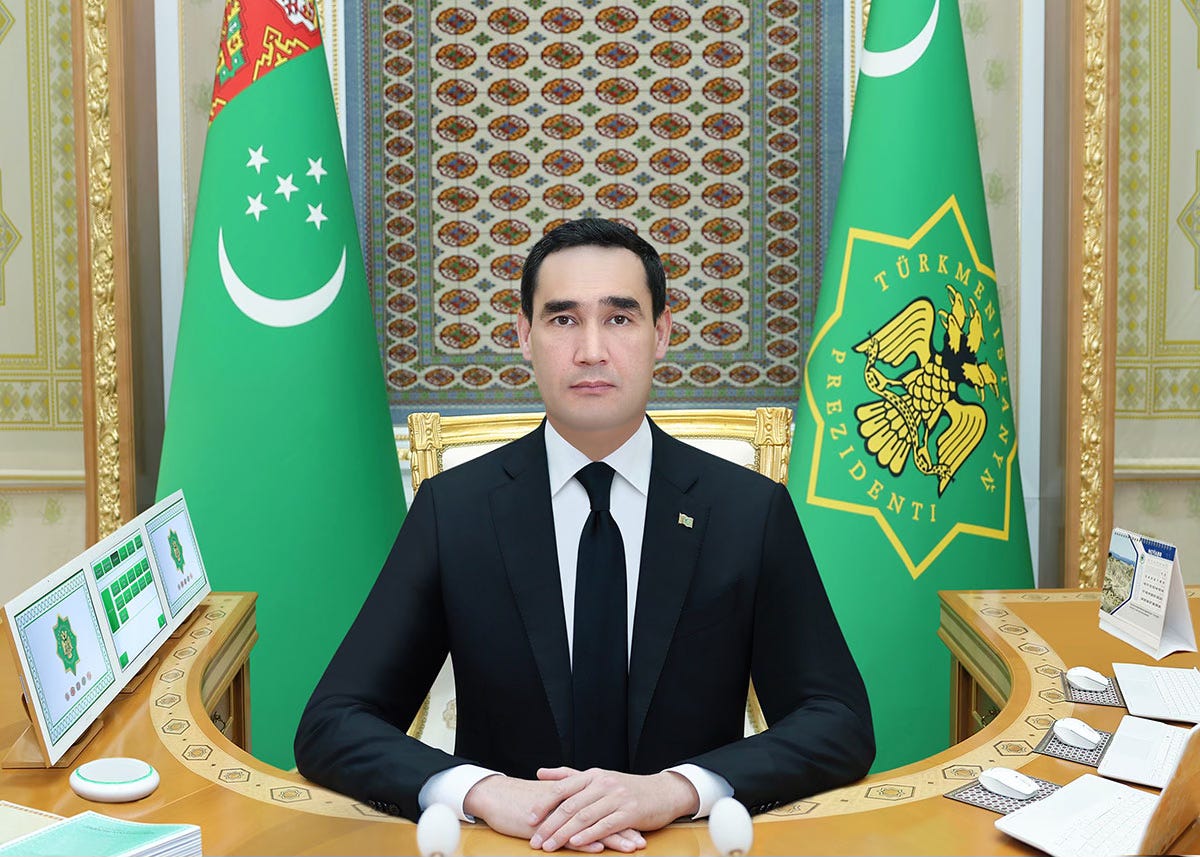
Episode 21: Is Turkmenistan finally opening up?
In this week's episode, we'll try to answer the question of whether Turkmenistan is on the path to reform. Joining us is Ruslan Myatiev, a Turkmen journalist, and the founder and editor of Turkmen.news - an independent media and human rights organisation based in the Netherlands that focuses on Turkmenistan. Get full access to Turan Tales at turantales.substack.com/subscribe

Episode 20: The past and present of US engagement with Central Asia
This week on TURAN TALK we trace the history of US relations with Central Asia through the experiences of Daniel Rosenblum - a former US ambassador to Kazakhstan and Uzbekistan, and a long-time expert on the region. Get full access to Turan Tales at turantales.substack.com/subscribe

Episode 19: Why is Tajikistan fighting witchcraft?
This week, we’re looking into a fascinating and often misunderstood topic: witchcraft, clairvoyance, fortune telling, and other spiritual practices popular in Tajikistan and the rest of Central Asia.Joining us is Dr Anna Cieślewska, a social anthropologist and orientalist at the Institute of Ethnology and Cultural Anthropology at the University of Łódź in Poland. Get full access to Turan Tales at

Episode 18: Uyat - Shame made in Central Asia
This week, we’re talking about uyat and Central Asia’s culture of shame. Joining us is Dr. Hélène Thibault, Associate Professor of Political Science at Nazarbayev University in Astana. Get full access to Turan Tales at turantales.substack.com/subscribe

The Capital: In search of Astana's soul
Astana has risen from the steppe as a city of glass, steel, and soaring ambition - a capital built to embody a nation’s dreams. But can a dream live up to its promise?Support Turan Tales with a paid subscription at: turantales.substack.com/subscribe Get full access to Turan Tales at turantales.substack.com/subscribe
Episode 17: The most famous Uzbek writer few in Uzbekistan have heard of
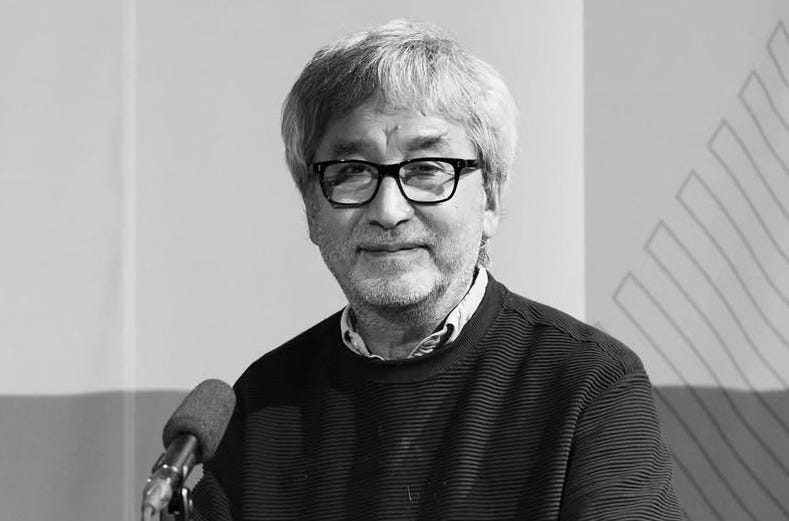
This week, we’re talking to Uzbekistan’s most prominent writer, Hamid Ismailov. He is a longtime BBC and Radio Free Europe/Radio Liberty journalist, and the author of numerous works of fiction and poetry in several languages. He is the recipient of the EBRD Literature Prize for his novel The Devils’ Dance – sometimes called “an Uzbek Game of Thrones.” His latest novel, We Computers, has been the f

Episode 16: What does it mean to be Kazakhstani?
Our guest this week is one of the most fascinating contemporary scholars from Kazakhstan and the author of What Does It Mean to Be Kazakhstani - Diana Kudaibergen, a cultural and political sociologist and Lecturer in Central Asian Politics and Society at University College London. Get full access to Turan Tales at turantales.substack.com/subscribe
Episode 15: Pop made in the USSR - The sounds of Central Asian estrada
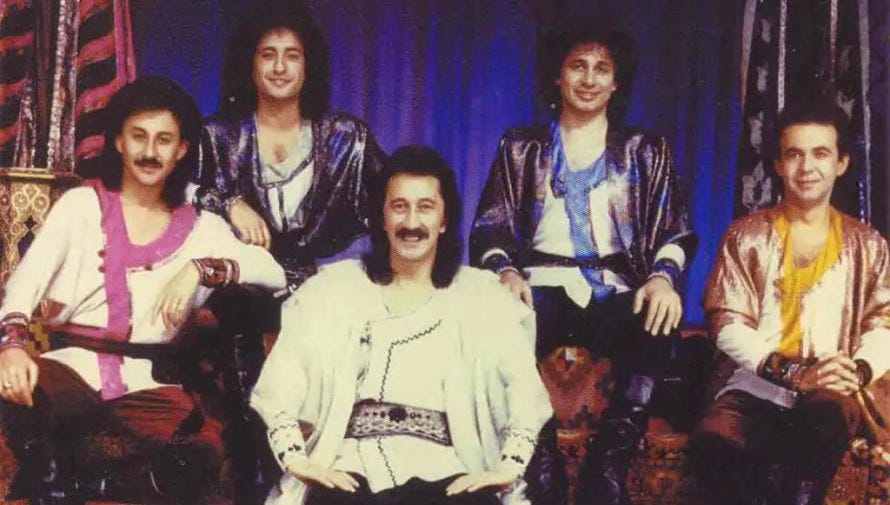
Hi all,Our guest today once shared with me a fascinating story. Back in 1981, when the Uzbek pop group Yalla was touring Uzbekistan, they passed through the town of Uchkuduk — a name worthy of a song. Yurii Entin, one of the band’s lyricists, supposedly wrote it in just 40 minutes. Little did he know that his quick scribbles would go on to make history in Uzbek and Soviet pop music.Uchkuduk, a son

Episode 14: Central Asian ‘first daughters’ - heirs, icons, or leaders?
Hi all,I’m writing and recording this week’s intro from my new home in Almaty. The weather is perfect, as it so often is in late summer. I spend my days getting to know my neighborhood, walking my dog, meeting friends old and new, and writing. I’m very grateful to be back in Central Asia after almost four years in Europe. I hope Almaty will be a good host for me — and for Turan Tales. If any of yo

The girl with the seals: A fight for the Caspian’s last mammals
The Caspian Sea is shrinking, its shores littered with seal carcasses. For scientist Assel Baimukanova, each one tells the story of an ecosystem on the brink. Get full access to Turan Tales at turantales.substack.com/subscribe

Episode 13: Post-Soviet nostalgia and colonial legacy in Central Asia
This week, we’re taking a deeper look at Central Asia’s postcolonial legacy and how Russia’s centuries-long influence has shaped ways of thinking, institutions, and everyday life in the region.Russian colonisation of Central Asia began in the early 1800s and expanded steadily throughout the 19th century. Following the Russian Revolution, most of Central Asia was incorporated into the Soviet Union.

Episode 12: From Elbasy to pensioner. The legacy of Nursultan Nazarbayev
This week we are revisiting the legacy of one of the most important figures who shaped Central Asia following the collapse of the Soviet Union: Nursultan Nazarbayev, the former president of Kazakhstan.Born in 1940, Nazarbayev served as Kazakhstan’s first president from 1991 until 2019, when he stepped down and transferred power to Kassym-Jomart Tokayev, then Chairman of the Senate – and the curren

Episode 11: Who’s left to defend Central Asian migrants in Russia?
According to the Russian Interior Ministry, there are about 10.5 million people from Uzbekistan, Tajikistan, and Kyrgyzstan working in the country. It has long been clear that they experience derogatory treatment, humiliation, and racism on a daily basis.The situation has further deteriorated since Russia’s full-scale invasion of Ukraine in February 2022. In September of that year, the Duma – Russ

“What am I, just cattle you can give away?” A nomadic tradition meets modern reality
A boy on the screen, 12-year-old Yersultan, cries in a rare emotional outburst against his father. “What am I, just cattle you can give away?” he asks, tears streaming down his chubby cheeks.His father is confused. Moments earlier, he was furious, angered by his son’s poor school performance and lack of the skills needed to survive the harsh rural life. But Yersultan’s outburst softens his tough p

Episode 10: Powering Central Asia - Is nuclear the best bet?
This week, we’re exploring the issue of energy deficiency in the region and how best to address it. Joining us is Anatole Boute, Professor at the Chinese University of Hong Kong. I asked him whether nuclear power is the right path for Central Asia, what needs to be done to improve access to cheap and clean energy, and whether Central Asian states are ready to cooperate in this vital sector. Get fu

Episode 9: Is Central Asia’s cotton finally becoming ethical?
This week we’re looking at an important regional story: cotton, or “oq oltin”(“white gold”), as Uzbeks call it. From forced labour in Uzbekistan and Turkmenistan to the shrinking of the Aral Sea, we explore what’s changed, what hasn’t, and whether the region’s cotton is finally becoming ethical.Joining us is Umida Niyazova, head and founder of the Uzbek Forum for Human Rights, who has been monitor

Episode 8: Whatever happened to Central Asia's "Island of Democracy"?
In this week’s episode, joining us is a person who knows the Kyrgyz system inside out: Rinat Tuhvatshin, the co-founder and current Chief Technology Officer of Kloop -- Kyrgyzstan's leading investigative media outlet. I have asked him about the recent arrests of Kloop’s collaborators, the founding of Kloop and how the situation in Kyrgyzstan has been changing over the years. Get full access to Tur
“Families should be built on love.” The story of a Kyrgyz stolen bride.
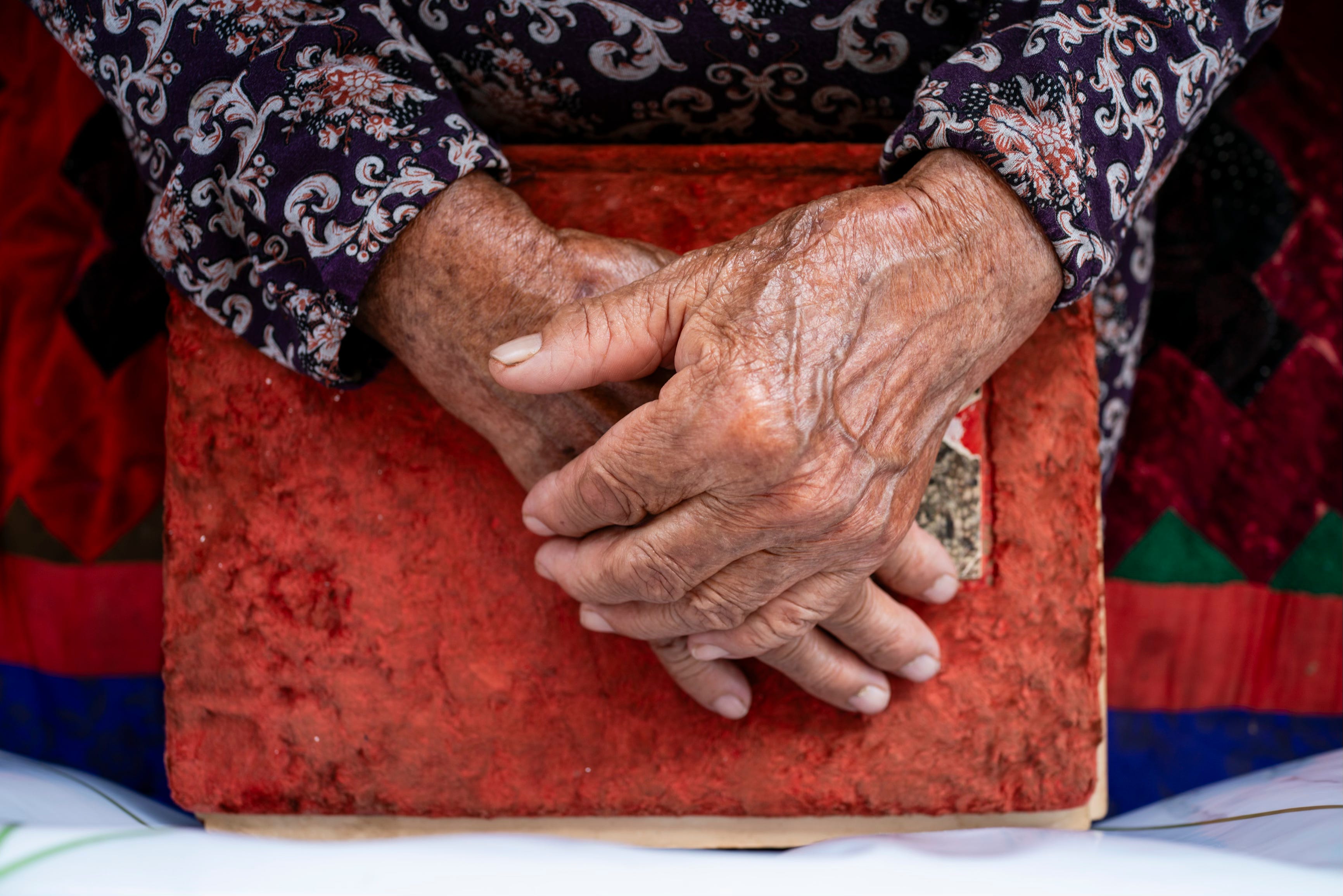
Meerim still remembers the price her husband paid for luring her to his village. It was 1964 and her freedom was worth 80 roubles – equivalent to a plane ticket from Moscow to Bratsk, a “Sputnik” bicycle, a pair of winter shoes or coat in a Bishkek store, or, with luck, a pair of black-market jeans. Get full access to Turan Tales at turantales.substack.com/subscribe

Episode 7: Why Tajikistan’s opposition turned to the International Criminal Court?
This week, we’ll be looking at the recent complaint filed against Tajikistan with the International Criminal Court by several groups, including the Islamic Renaissance Party — Tajikistan’s main opposition group operating in exile.The complainants allege that, over the years, Tajikistan has committed crimes against humanity, including torture, rape, extrajudicial executions, enforced disappearances

Episode 6: What’s behind China’s archaeological digs in Central Asia?
This week, we’re exploring the archaeological excavations China has carried out in recent years in Central Asia—particularly in Uzbekistan—and the possible motivations behind these digs.Joining us is a special guest: Temur Umarov, a fellow at the Carnegie Russia Eurasia Centre who specialises in China–Central Asia relations. I spoke with him about how to interpret China’s interest in the region’s

From the alas to the steppe. How Kazakhstan became the go-to destination for Sakha people fleeing Russia’s war
Alexey Vinokurov never wanted to leave his hometown, Yakutsk, the coldest city on earth. Nested in Russia’s Siberia within the Republic of Sakha, it lies over 8,000 kilometres from Moscow and only 450 kilometres from the Arctic Circle. He found everything he needed there: a comfortable job as a graphic designer, a loving family, and lifelong friendships.But when Russia invaded Ukraine, his life un

The Jadids - Muslim modernists purged by Stalin, reclaimed by Uzbekistan
The Jadids - Muslim modernists purged by Stalin, reclaimed by Uzbekistan. TURAN TALK with Adeeb Khalid, Professor of Asian Studies and History at Carleton College Get full access to Turan Tales at turantales.substack.com/subscribe

Episode 4: Central Asia: BFFs or just friends with benefits?
Over the past few weeks, Central Asia has hosted several important events. First, Presidents of Tajikistan and Kyrgyzstan – Emomali Rahmon and Sadyr Japarov – met in Bishkek to sign a border delimitation deal which ended years of conflict over water resources and land.Then, the two officials – joined by Uzbekistan’s President Shavkat Mirziyoyev – travelled to Khujand in northern Tajikistan, close

"Then Trump came to power": Under-threat Karakalpak activist denied US resettlement
Aqylbek Muratbai, 36, has never committed a crime. But in mid-February this year, he left his jail cell in a suburb of Almaty, Kazakhstan’s former capital, after a year in detention. The city had not changed during this year of absence, Muratbai says, though the village where his parents now live has gained internet access.But in a way, the world has undergone a paradigm shift. In late January, th

Episode 3: Reputation laundering in Central Asia
This week we are looking at Trump administration's attempt to defund Radio Free Europe/Radio Liberty. Then we are joined by Dilmira Matyakubova to talk about reputation laundering: how authoritarian states manipulate international public opinion and whitewash their crimes with the help of global organisations, academic and media Get full access to Turan Tales at turantales.substack.com/subscribe

Episode 2: Why Uzbekistan's elite infighting turned violent?
This week we’re looking at last year’s failed assassination attempt on Komil Allamjanov and together with my guest - Alisher Ilkhamov - we will try to answer the question of why someone wanted him dead -- and who this someone might be.We delve into the Chechen - and Russian - connection of the killing attempt and the possible bigger story behind these links.Finally, we will try to answer a very di

Atomic Kazakhstan: The invisible curse
[LONG READ] While the Soviet nuclear test site in Kazakhstan has long been closed, the effects of radiation on people's health are felt to this day -- and still wait to be researched. Get full access to Turan Tales at turantales.substack.com/subscribe

Episode 1: The quest to normalise Central Asia
Hello and welcome to Turan Tales!I’m thrilled to share with you the first episode of my bi-weekly podcast delving into underreported stories of people, politics and social change in Central Asia.In this episode I explain what Turan Tales is, where the idea came from and what I hope to achieve with this newsletter.I am then joined by Peter Leonard, a fellow journalist focusing on Central Asia, to d