On Auschwitz
The official podcast of the Auschwitz Memorial. It explores the complex history of Auschwitz, which served both as a concentration camp and an extermination center. The podcast discusses the camp's evolution, the various groups persecuted there, and contemporary memory of this significant site.
Odcinki
“Auschwitz. A Monograph of the Human”. Part 10. Hope
The book ‘Auschwitz. A Monograph on the Human’ is the first of its kind in the world to try to depict human emotions within the reality of Auschwitz camp. Its author, Museum Director Dr. Piotr Cywiński, draws on fragments of memoirs and testimonies from more than 450 Survivors. It is the words of these direct witnesses that form the basis of this reflection on the human condition amid the process
“Auschwitz. A Monograph of the Human”. Part 9. Suicide
The book ‘Auschwitz. A Monograph on the Human’ is the first of its kind in the world to try to depict human emotions within the reality of Auschwitz camp. Its author, Museum Director Dr. Piotr Cywiński, draws on fragments of memoirs and testimonies from more than 450 Survivors. It is the words of these direct witnesses that form the basis of this reflection on the human condition amid the process
“Auschwitz. A Monograph of the Human”. Part 8. Fear
The book ‘Auschwitz. A Monograph on the Human’ is the first of its kind in the world to try to depict human emotions within the reality of Auschwitz camp. Its author, Museum Director Dr. Piotr Cywiński, draws on fragments of memoirs and testimonies from more than 450 Survivors. It is the words of these direct witnesses that form the basis of this reflection on the human condition amid the process
“Auschwitz. A Monograph of the Human”. Part 7. Laugh and Joy
The book ‘Auschwitz. A Monograph on the Human’ is the first of its kind in the world to try to depict human emotions within the reality of Auschwitz camp. Its author, Museum Director Dr. Piotr Cywiński, draws on fragments of memoirs and testimonies from more than 450 Survivors. It is the words of these direct witnesses that form the basis of this reflection on the human condition amid the process
“Auschwitz. A Monograph of the Human”. Part 6. Births
The book ‘Auschwitz. A Monograph on the Human’ is the first of its kind in the world to try to depict human emotions within the reality of Auschwitz camp. Its author, Museum Director Dr. Piotr Cywiński, draws on fragments of memoirs and testimonies from more than 450 Survivors. It is the words of these direct witnesses that form the basis of this reflection on the human condition amid the process
“Auschwitz. A Monograph of the Human”. Part 5. Friendship
The book ‘Auschwitz. A Monograph on the Human’ is the first of its kind in the world to try to depict human emotions within the reality of Auschwitz camp. Its author, Museum Director Dr. Piotr Cywiński, draws on fragments of memoirs and testimonies from more than 450 Survivors. It is the words of these direct witnesses that form the basis of this reflection on the human condition amid the process
“Auschwitz. A Monograph of the Human”. Part 4. Emotions and Numbness
The book ‘Auschwitz. A Monograph on the Human’ is the first of its kind in the world to try to depict human emotions within the reality of Auschwitz camp. Its author, Museum Director Dr. Piotr Cywiński, draws on fragments of memoirs and testimonies from more than 450 Survivors. It is the words of these direct witnesses that form the basis of this reflection on the human condition amid the process
“Auschwitz. A Monograph of the Human”. Part 3. Inner Life
The book ‘Auschwitz. A Monograph on the Human’ is the first of its kind in the world to try to depict human emotions within the reality of Auschwitz camp. Its author, Museum Director Dr. Piotr Cywiński, draws on fragments of memoirs and testimonies from more than 450 Survivors. It is the words of these direct witnesses that form the basis of this reflection on the human condition amid the process
“Auschwitz. A Monograph of the Human”. Part 2. Death
The book ‘Auschwitz. A Monograph on the Human’ is the first of its kind in the world to try to depict human emotions within the reality of Auschwitz camp. Its author, Museum Director Dr. Piotr Cywiński, draws on fragments of memoirs and testimonies from more than 450 Survivors. It is the words of these direct witnesses that form the basis of this reflection on the human condition amid the process
“Auschwitz. A Monograph of the Human”. Part 1. Loneliness
The book ‘Auschwitz. A Monograph on the Human’ is the first of its kind in the world to try to depict human emotions within the reality of Auschwitz camp. Its author, Museum Director Dr. Piotr Cywiński, draws on fragments of memoirs and testimonies from more than 450 Survivors. It is the words of these direct witnesses that form the basis of this reflection on the human condition amid the process
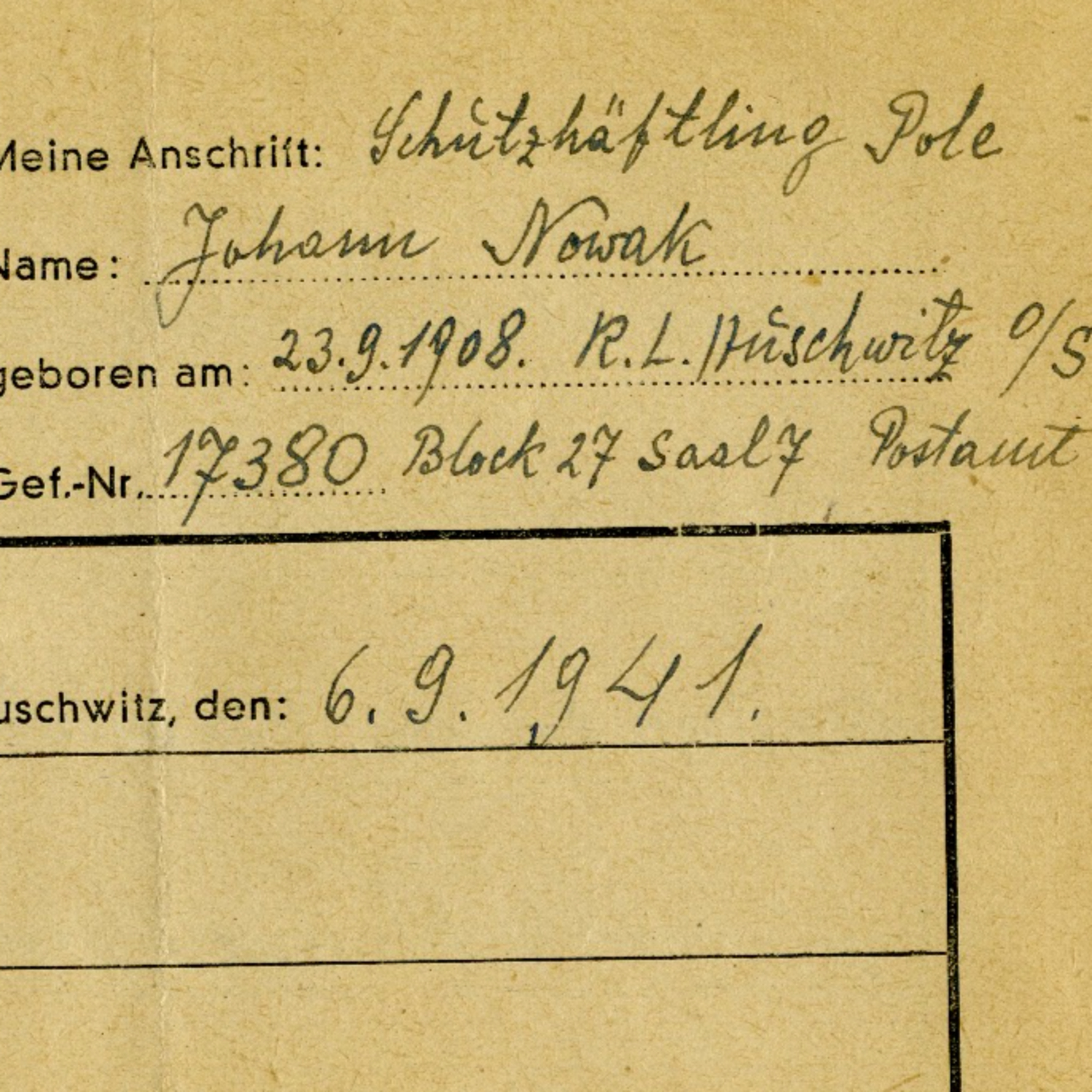
Doctor Jan Nowak’s Auschwitz Letters Donated to the Museum – An Interview with the Donor
A collection of letters and documents related to Jan Nowak, a physician from Kraków who, as a prisoner of German Nazi concentration camps, worked in camp hospitals and helped other prisoners, has been donated to the Auschwitz Museum Archives.The documents, including a letter sent from the camp and seven letters sent to the camp by his relatives, were donated to the Archives by Marek Trybulski, own
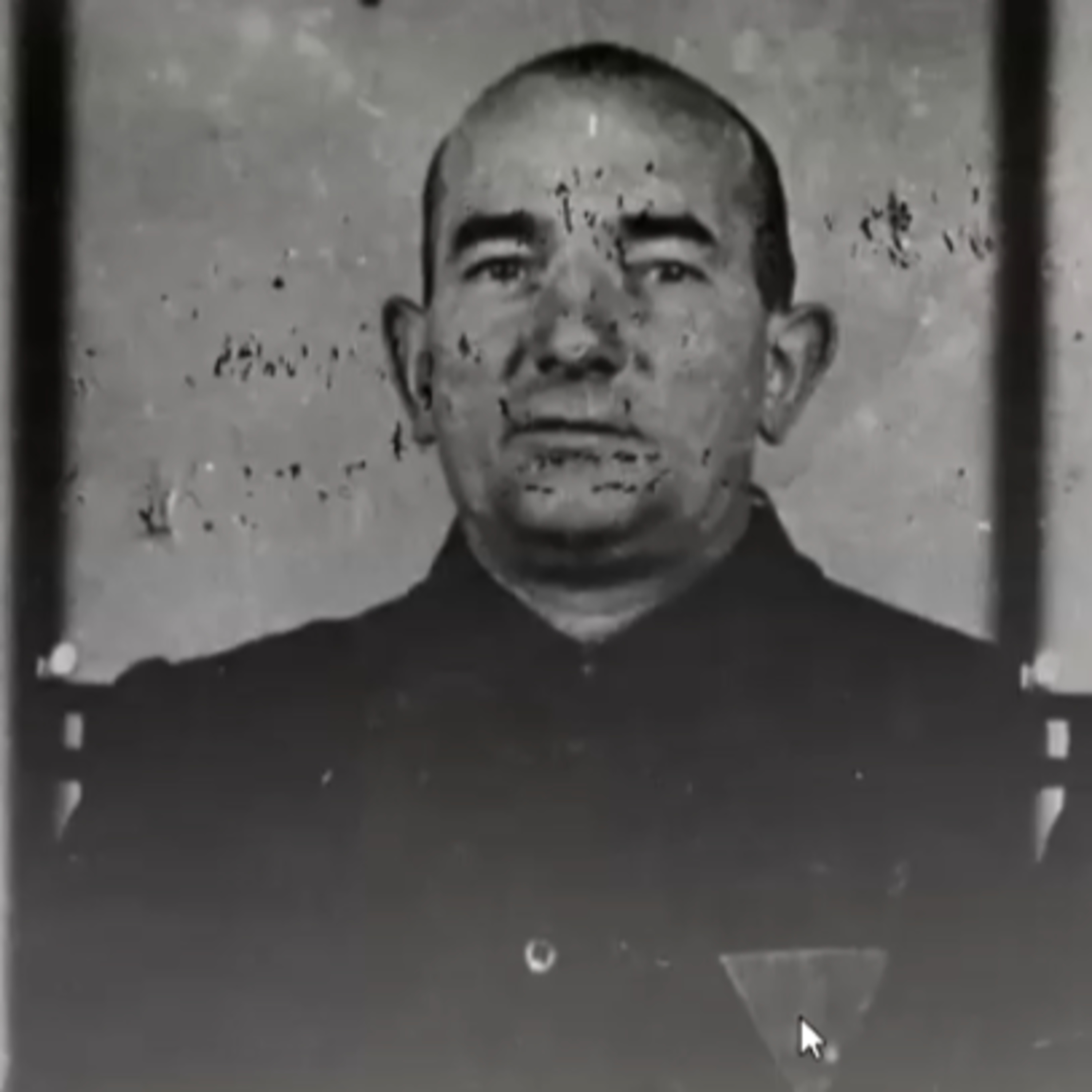
"On Auschwitz" (76): The First Thirty Prisoner Functionaries of Auschwitz
A special group of prisoners in the Auschwitz camp were prisoner functionaries, responsible, among other things, for maintaining discipline among prisoners, keeping order in the blocks, and supervising the work being carried out. Dr Wojciech Płosa, Head of the Auschwitz Museum Archive, talks about the first thirty functionary prisoners – Germans brought to Auschwitz on 20 May 1940 and assigned num
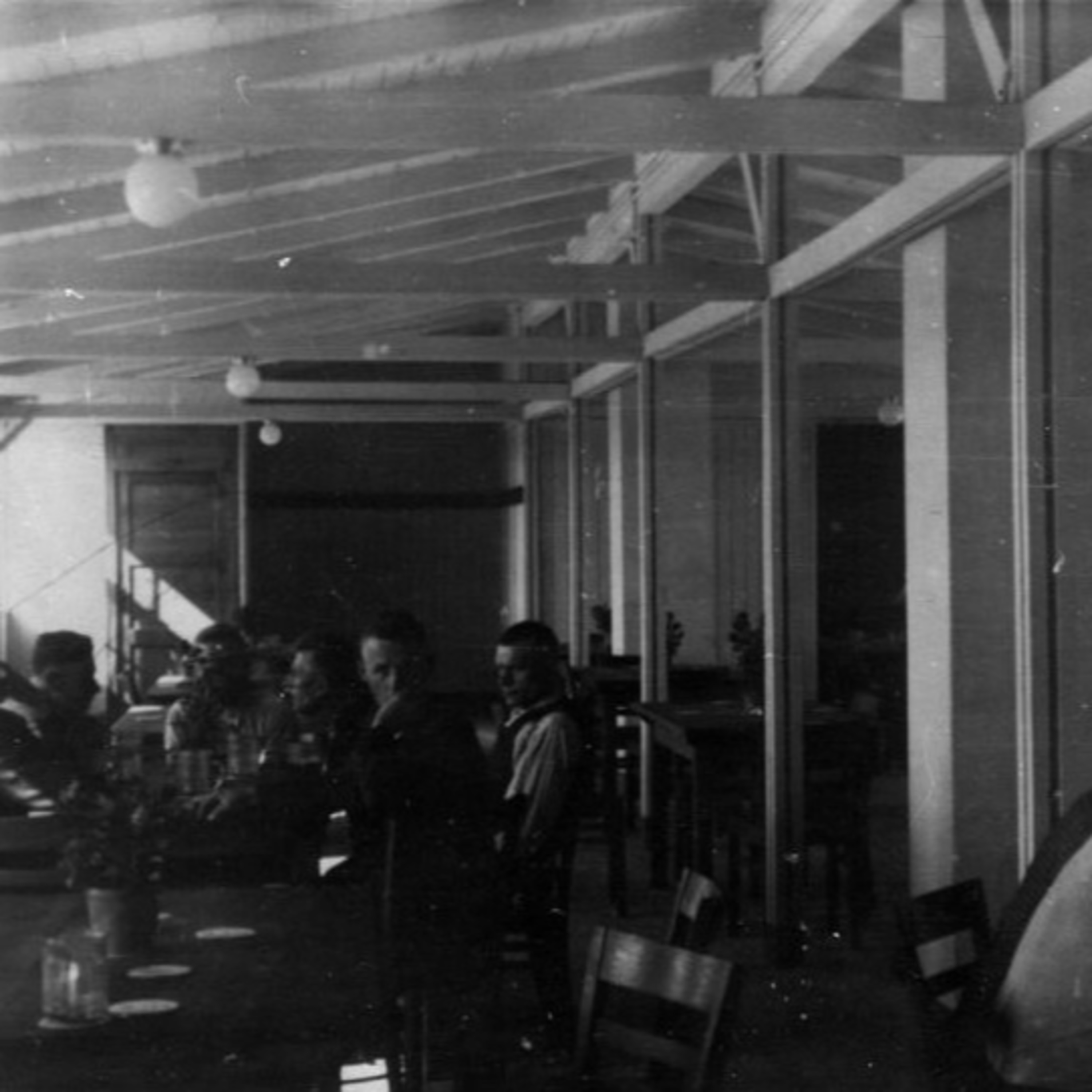
"On Auschwitz" (75): The Leisure Time of SS-Men from the KL Auschwitz Garrison in the Light of Documents from the Auschwitz Memorial Archives
Over the nearly five years of the operation of the Auschwitz camp, around 8,200 SS men and 200 SS female overseers served there. Dr Agnieszka Kita, Deputy Head of theAuschwitz Museum Archive, talks about what their leisure time looked like, what they did after duty, when they returned to the barracks, and what their days off looked like.=====Voiceovers: Sarah Edwards Weinstein, Kate Weinrieb
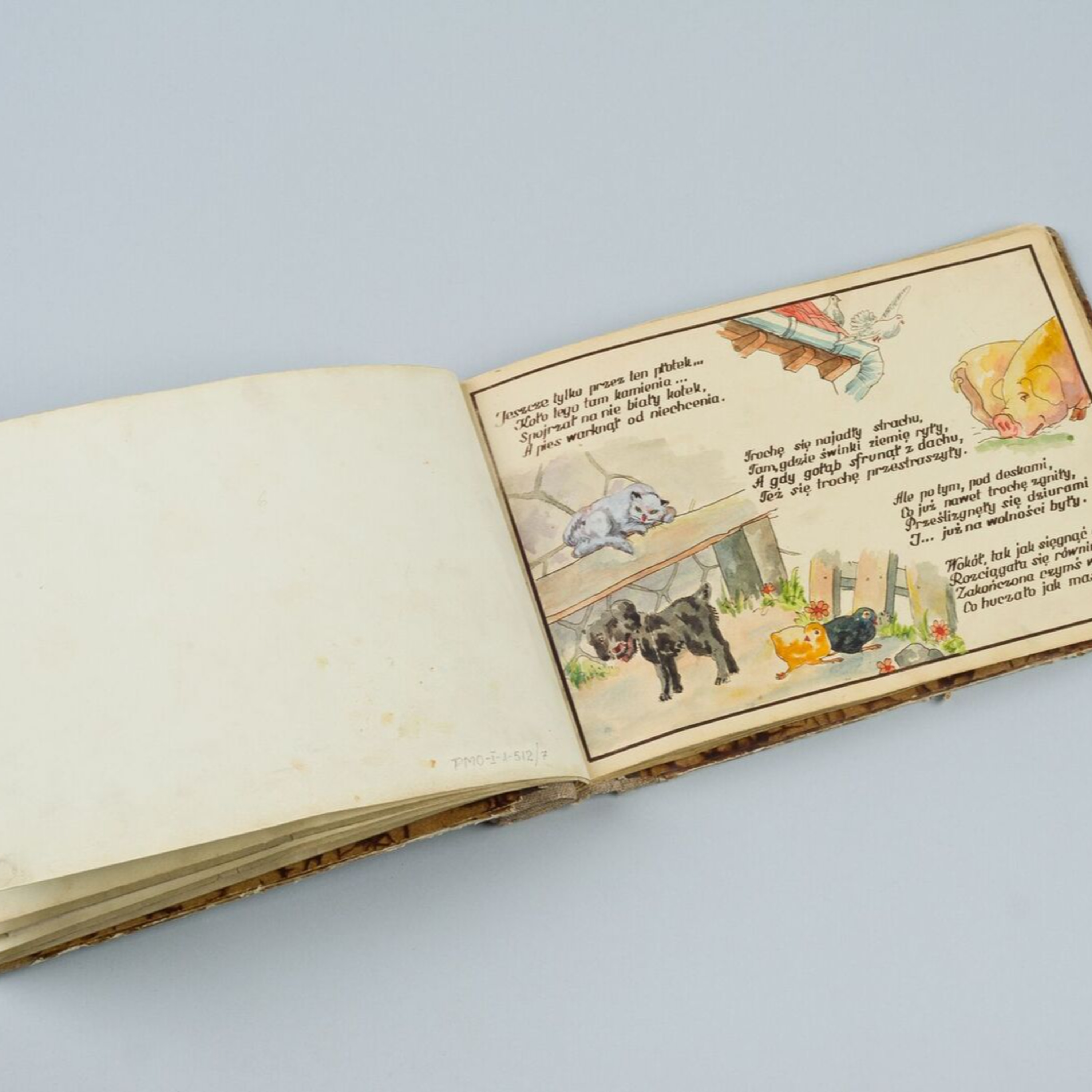
"On Auschwitz" (74): "Fairy Tales from Auschwitz" - unique witnesses to history
Among the unique artifacts held in the collections of the Auschwitz Memorial are fairy tales created while the camp was in operation. Crafted out of a heartfelt need, and in the hope of leaving behind a trace of their authors, these stories were smuggled out the camp. Their creators were prisoners employed in the camp’s Construction Office. With the help of people on the outside, they passed these
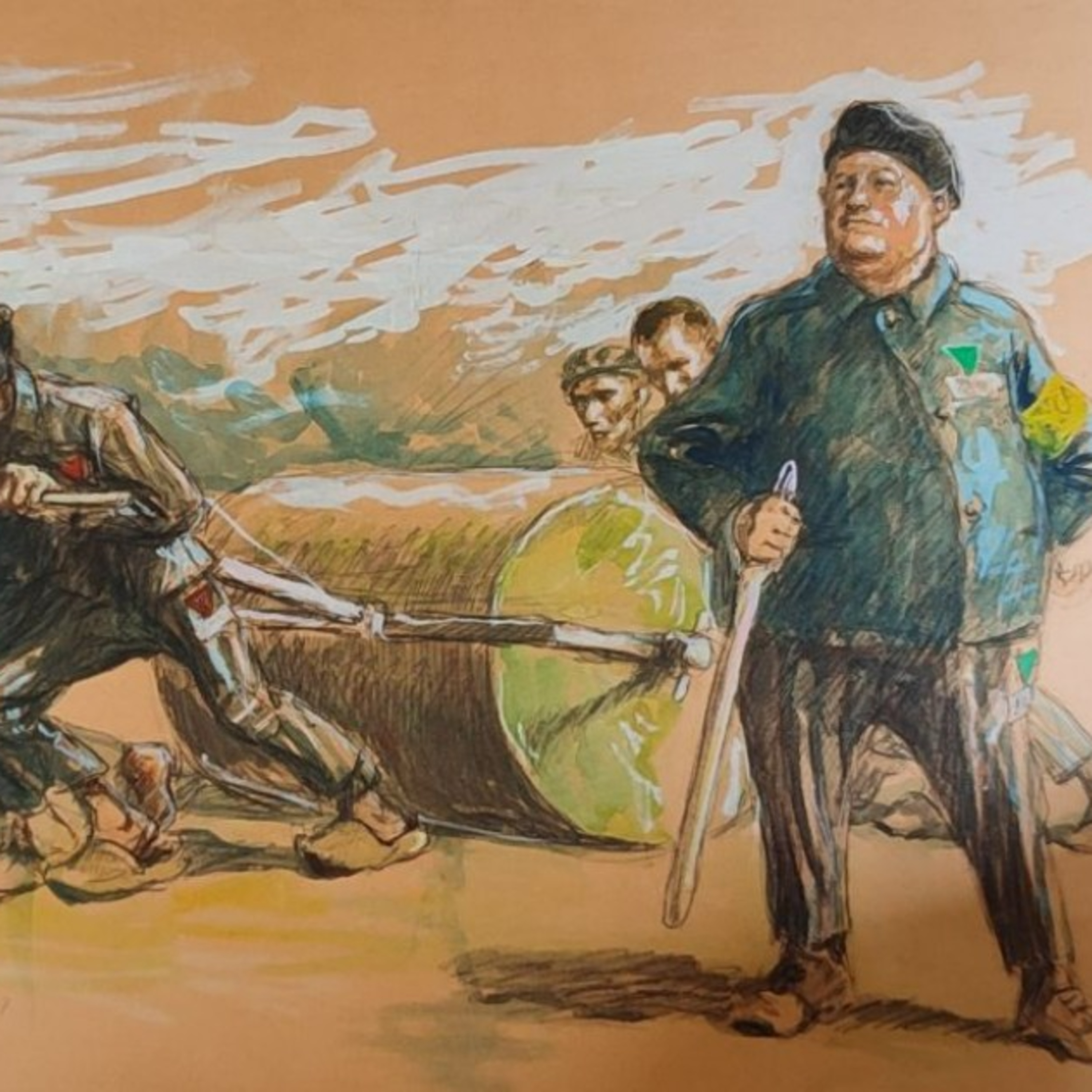
"On Auschwitz" (73): Auschwitz functionary prisoners. Selected postwar fates
We discussed the group of functionary prisoners at Auschwitz in one of our previous podcasts. You can find it at: podcast.auschwitz.org. In this episode Dr. Wojciech Płosa, the head of the Auschwitz Museum Archives will talk about the post war fates of some of the functionary prisoners.=====Artwork: Mieczysław Kościelniak, Praca przy walcu (Working on the roller), Auschwitz Memorial Collectons.===
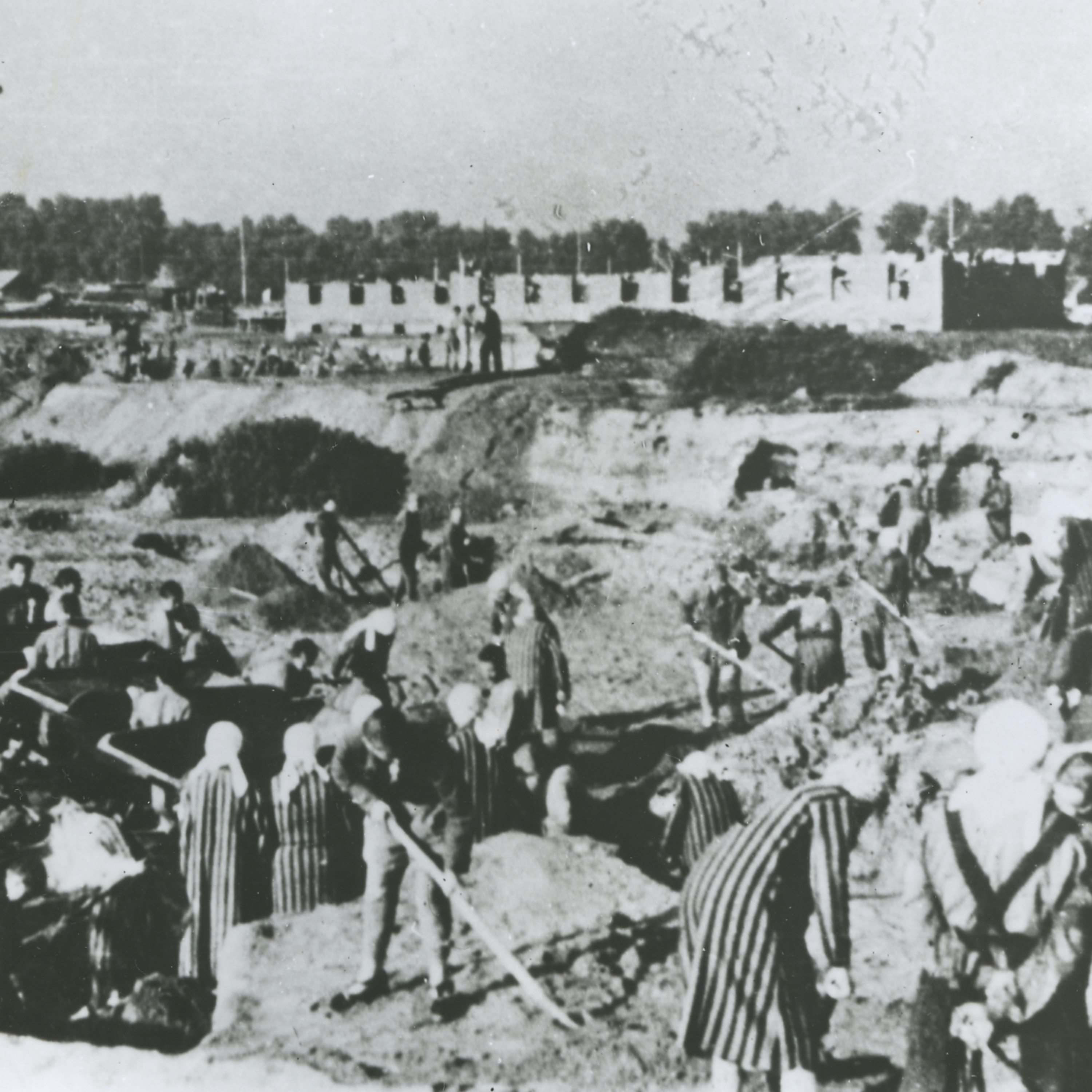
"On Auschwitz (72): The first transports of women to KL Auschwitz
The Germans established the Auschwitz concentration camp in the spring of 1940 for man prisoners. The first women were deported to the camp in March 1942. In total, more than 130,000 women prisoners were registered there during thecamp’s existence. The history of the first transports of women is discussed by Dr. Teresa Wontor-Cichy from the Research Center of the Auschwitz Museum.======Online le
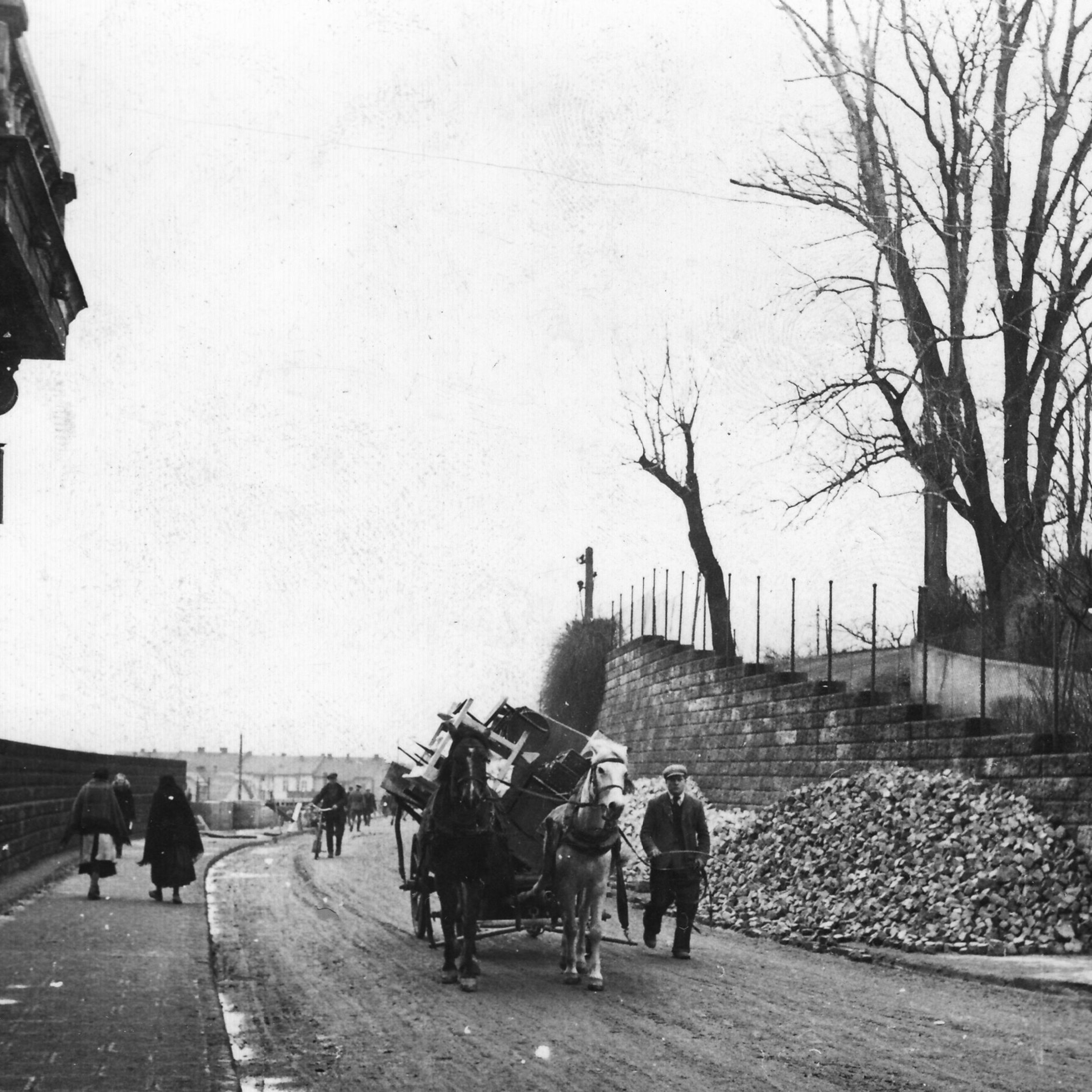
"On Auschwitz (71): Testimonies about expulsions of the local population in connection with the expansion of KL Auschwitz
Before the war, Oświęcim was a town inhabited mainly by Poles and Jews. During the Second World War it was annexed to Germany and the name of the town was changedto Auschwitz. At the end of 1939 the town had a population of over 12,500 people, about half of whom were Jews. Near Oświęcim there were several villages, which in December of 1939 were incorporated into the German administrative unitof S
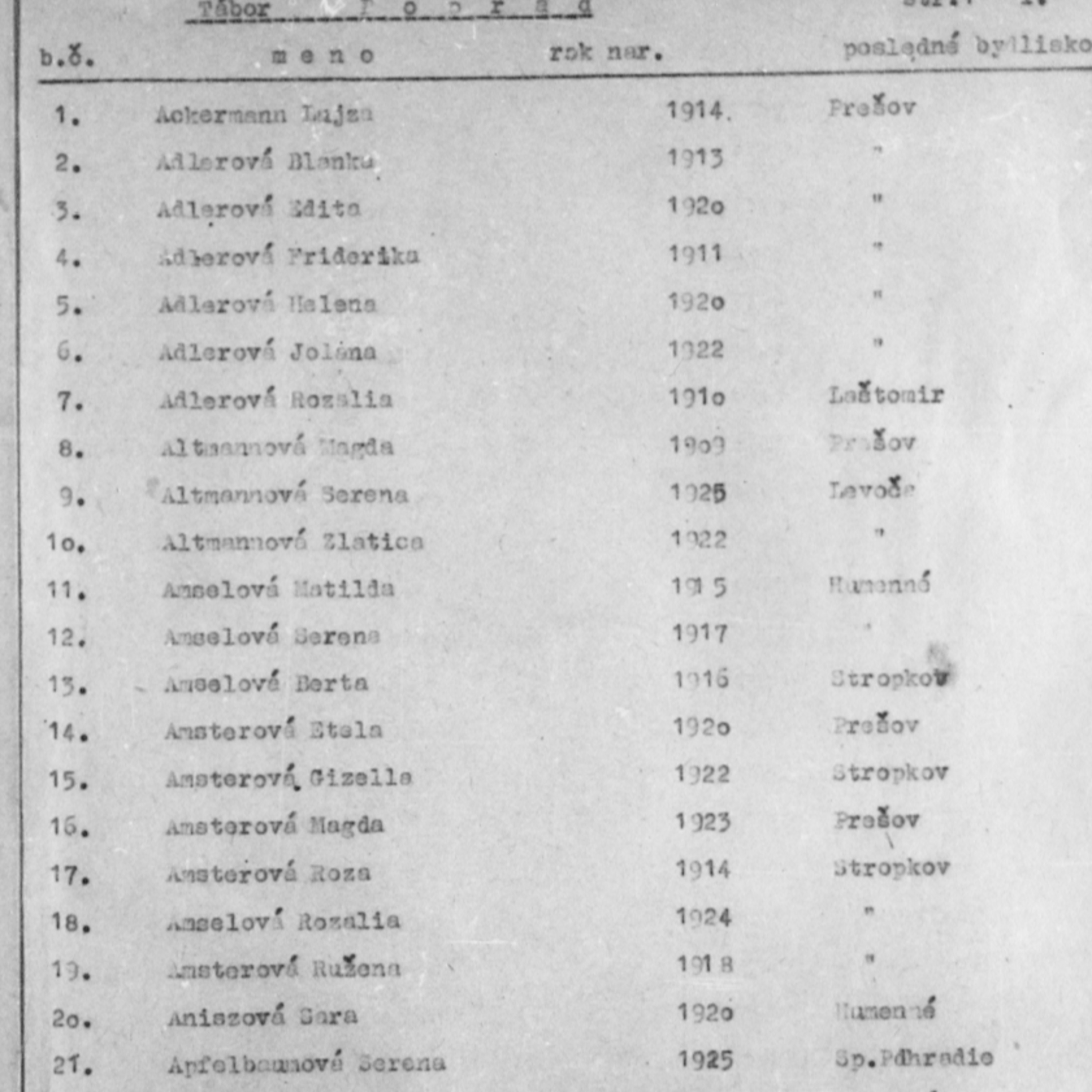
"On Auschwitz" (70): Deportations of Jews from Slovakia
Among the many groups of people deported to the German camp Auschwitz, Slovakian Jews occupied a special place. They were brought to the camp at a time when it was undergoing fundamental, organizational and functional transformation. From a place of concentration and gradual destruction of prisoners through dramatic living conditions and hard labor to a center of mass extermination in gas chambers
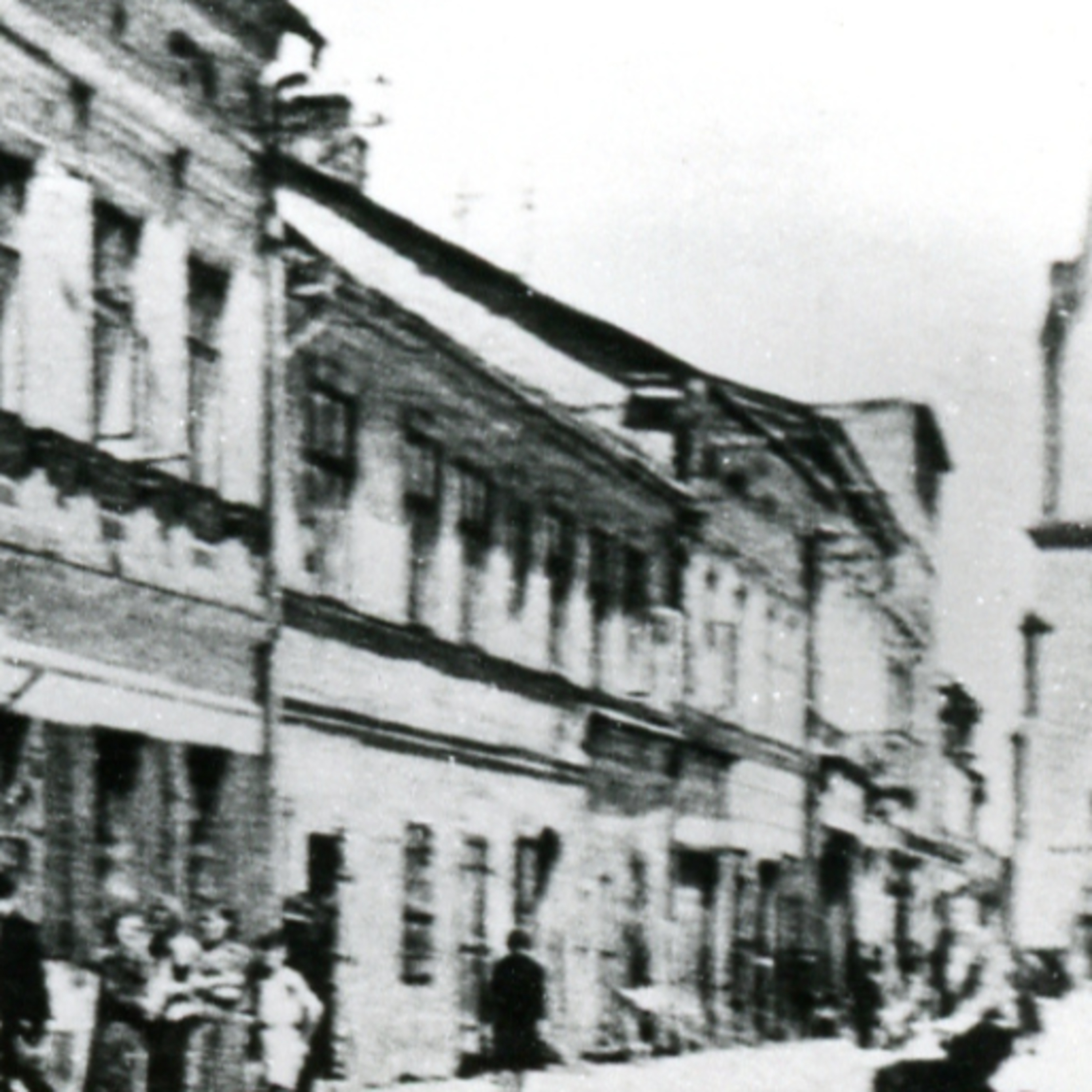
"On Auschwitz" (69): Contacts between SS garrison of KL Auschwitz and the local population of the Oświęcim area (1940-45)
How the demographic structure of the area around the camp changed and what contacts existed between the SS camp garrison members and the local civilian population is discussed by dr. Agnieszka Kita, deputy head of the Auschwitz Museum archives.===== Article published in the post-conference publication, "Face of War", Vol. 6, "City and the War".=====Voiceover: Therese McLaughlin
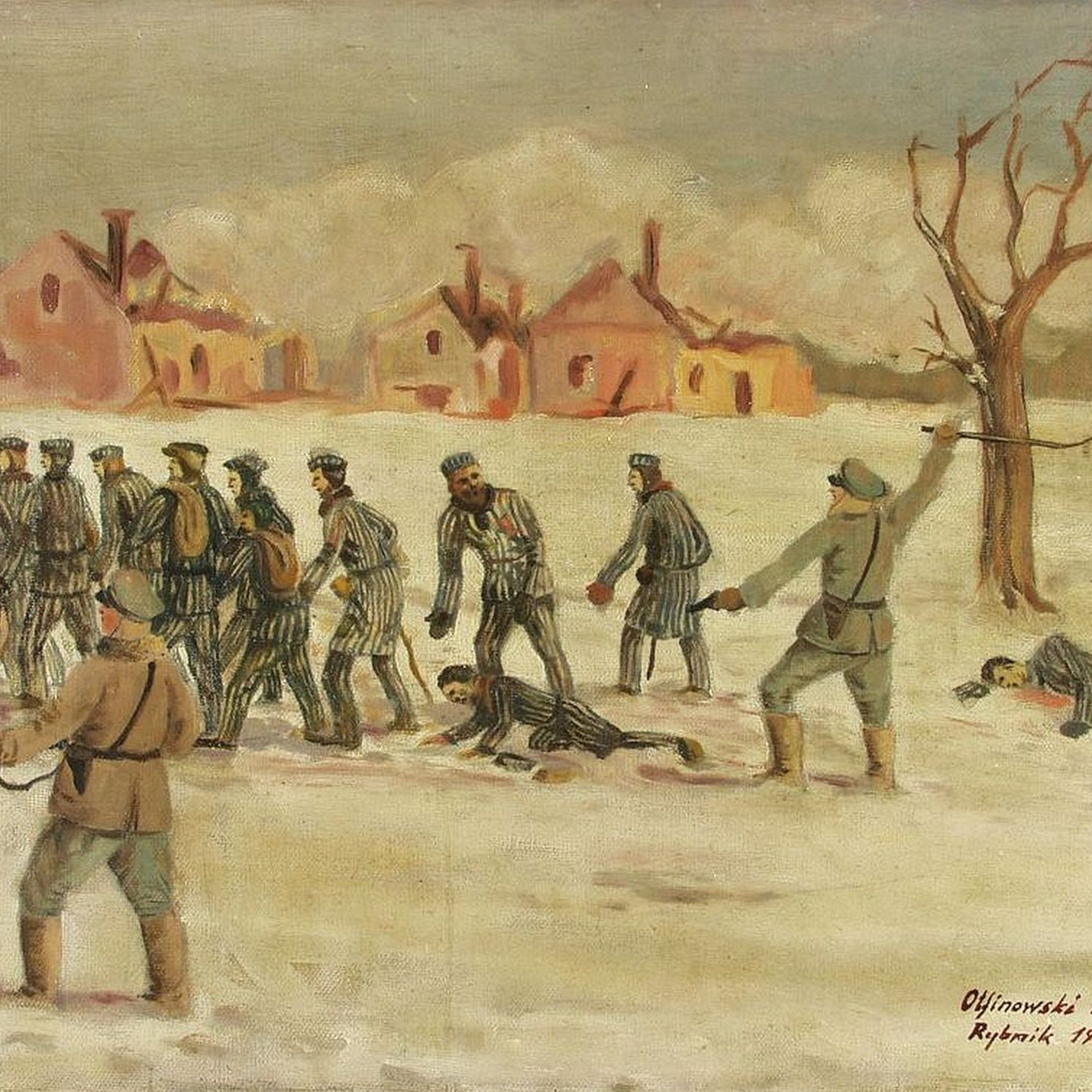
"On Auschwitz" (68): Evacuation marches in the accounts of Survivors and other witnesses
On 17 January 1945, the SS began evacuating the Auschwitz camp. Around 56,000 men and women, prisoners under the escort of armed SS men, marched out from various parts ofthe camp complex in the direction of Wodzisław Śląski and Gliwice. Several thousand people were killed during these so-called Death Marches. In this episode of the “On Auschwitz” podcast, we quote fragments of eyewitness accounts
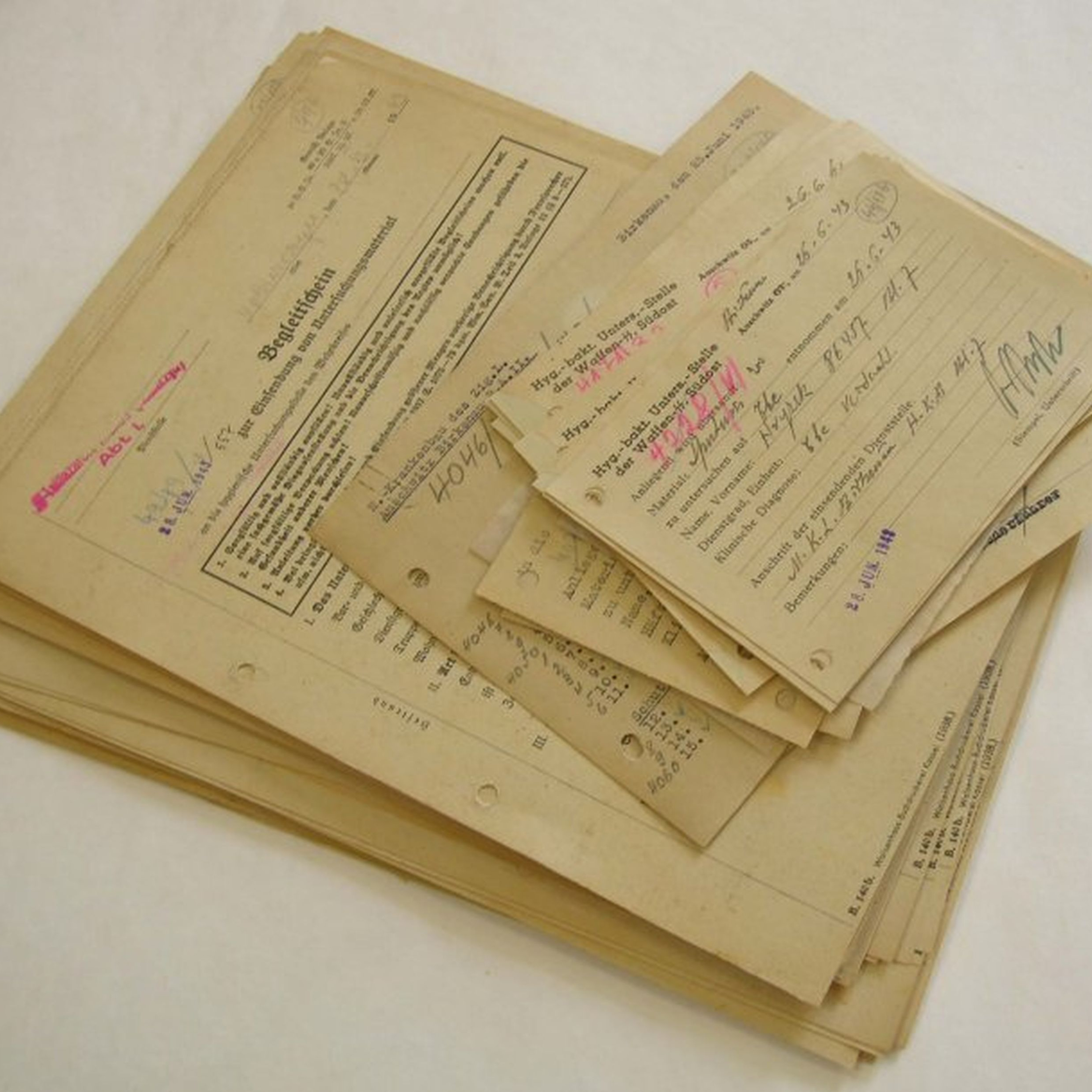
"On Auschwitz" (67): The SS Hygiene Institute
The Waffen-SS and Police Hygiene Institute at Auschwitz was established in the autumn of 1942. Its tasks included conducting hygienic and bacteriological tests for SS units, the German army, the police, and concentration camps, including the entire Auschwitz camp complex. Teresa Wontor-Cichy from the Auschwitz Museum Research Centre talks about the activities of the institute, which used camp pris
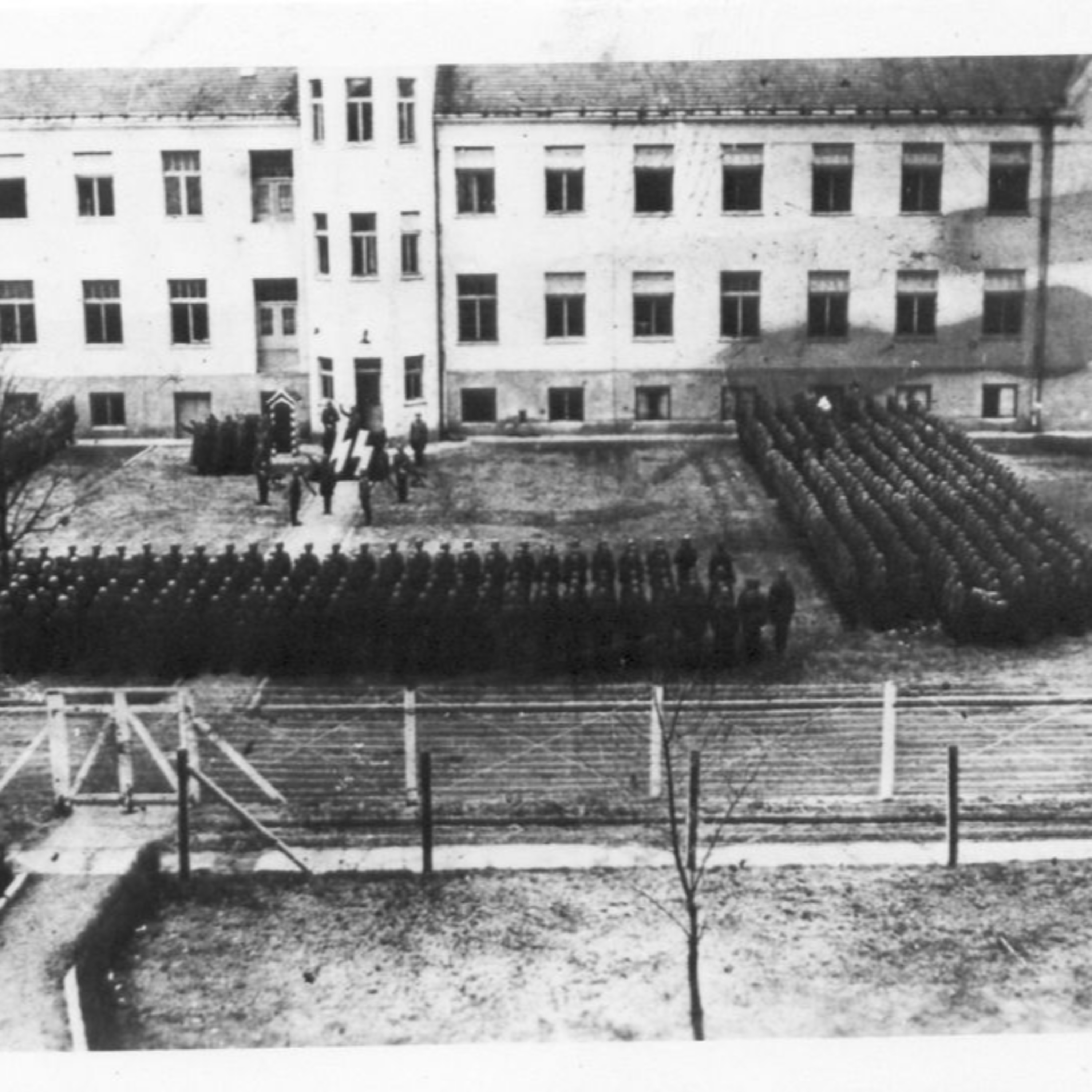
"On Auschwitz" (66): Ideological Training of the SS Garrison of the Camp
What did ideological training for SS personnel at the Auschwitz camp look like, and how did the ideology of national socialism influence the functioning of this SS formation? These questions are addressed in the podcast by Dr. Agnieszka Kita, Deputy Head of the Auschwitz Museum Archives. ====Voiceovers: Therese McLaughlin and Kate Weinrieb
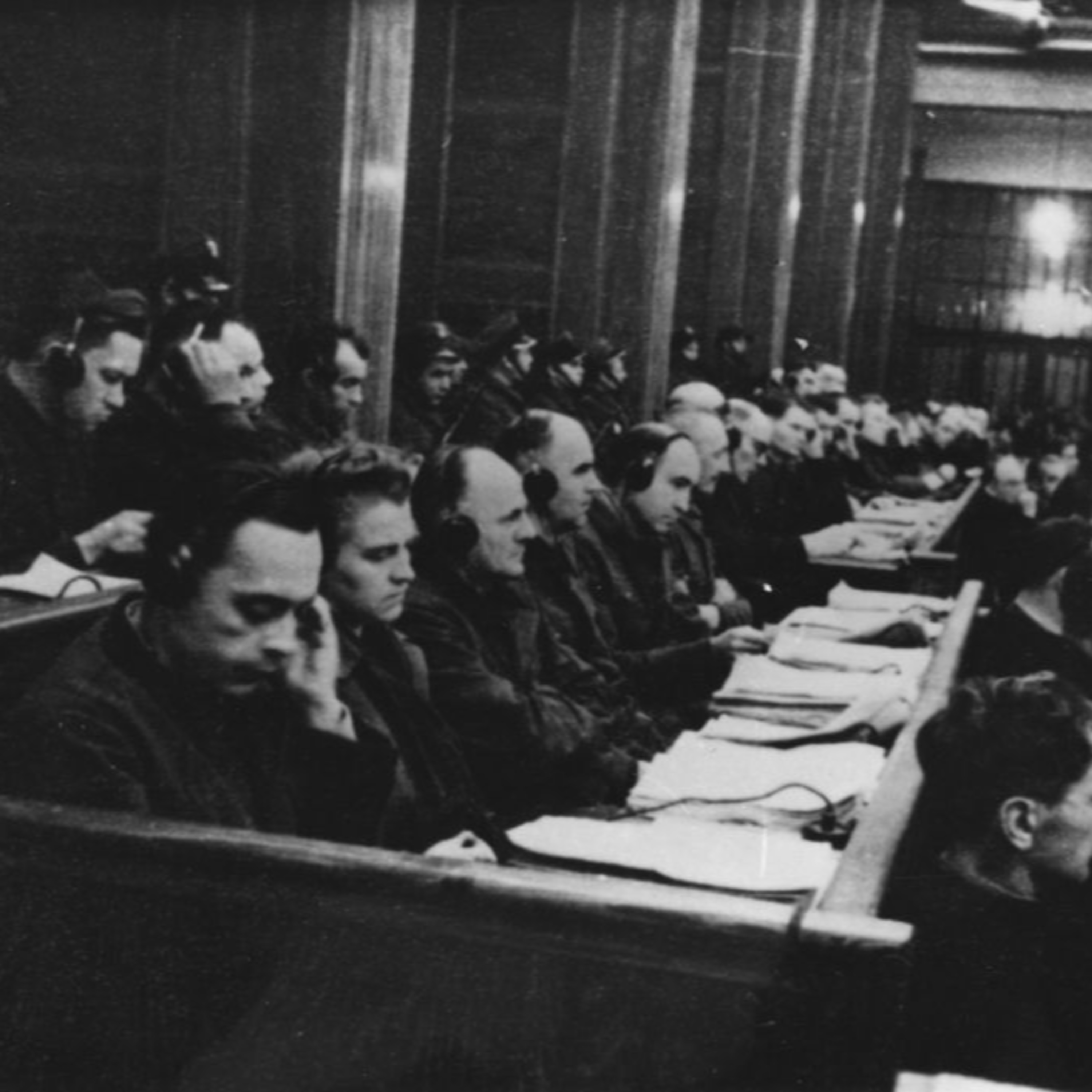
"On Auschwitz" (65): The trial of Rudolf Höss and other SS garrison members of Auschwitz
Some 8,200 SS men and 200 women overseers served in the camp garrison of the German Nazi camp Auschwitz between 1940 and 1945. How were the perpetrators from Auschwitz, including the first commandant, Rudolf Höss, and other garrison members, held accountable? Dr. Wojciech Płosa, head of the Archives of the Memorial, explains.=====Voiceovers: Greg Littlefield, Mike Skagerlind
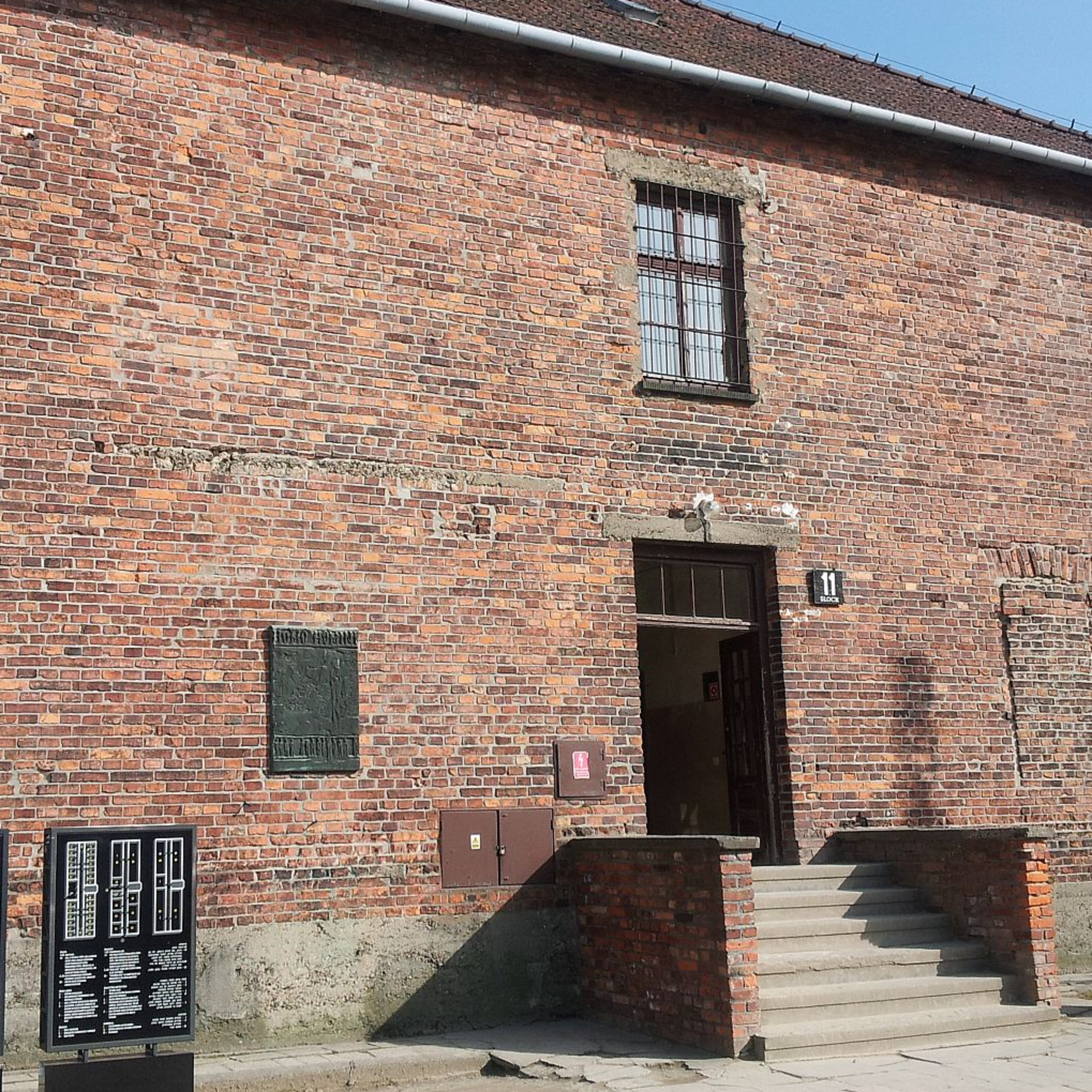
"On Auschwitz" (64): Block no. 11 in KL Auschwitz
Block 11 at Auschwitz I was isolated from the rest of the camp. It served as a prison, an execution site, and the quarters of the penal company. Dr. Adam Cyra from the Auschwitz Museum Research Centre talks about the unique history of the so-called Block of Death.=====Voiceovers: Toon Dressen and Grey Stanford.
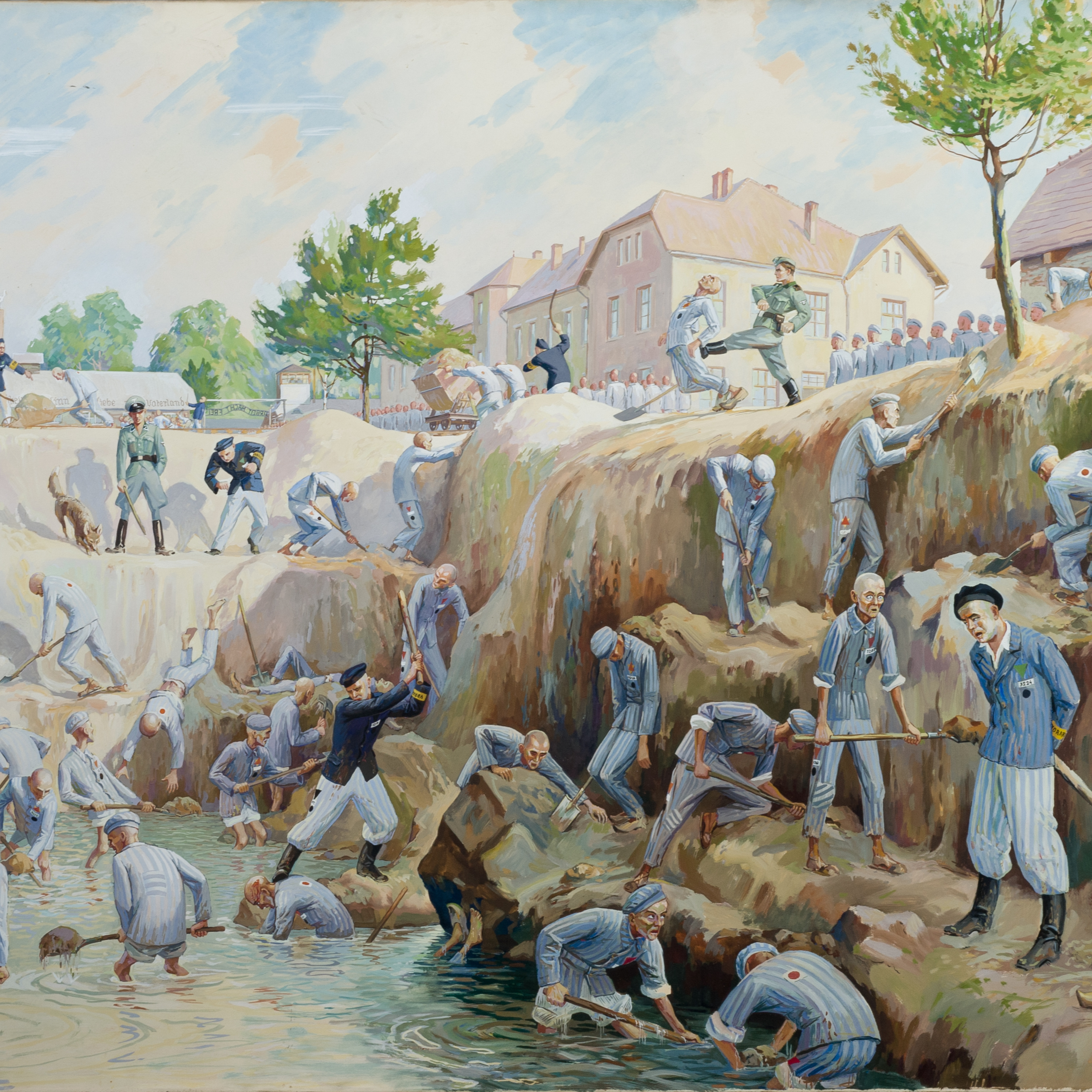
"On Auschwitz" (63): Punishments in KL Auschwitz
At Auschwitz a system of punishments was in place for prisoners who broke camp regulations. In addition to official penalties, SS garrison members and functionary prisoners also imposed so-called unofficial punishments. Dr. Piotr Setkiewicz, head of the Research Center at the Auschwitz Museum, explains the types of punishments and the offenses for which men and women prisoners could be punished.==
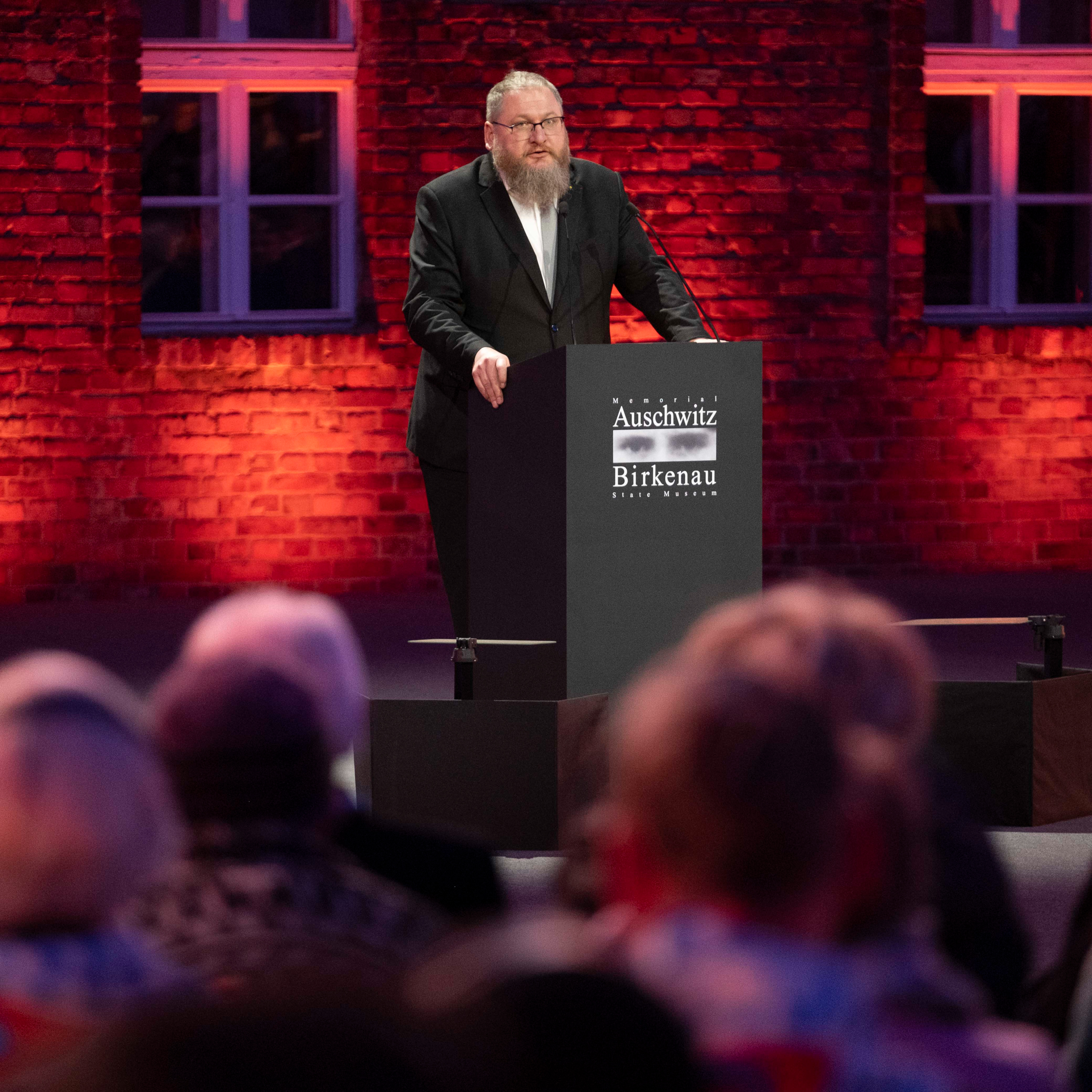
"On Auschwitz" (62): Contemporary challenges of education at the Auschwitz Memorial
The International Center for Education about Auschwitz and the Holocaust, established as a result of the efforts of Auschwitz Survivors, has been operating at the Memorial since 2005. The Museum director Dr. Piotr Cywiński and Education Center director Andrzej Kacorzyk discuss what education at the Memorial looks like today and what challenges it faces in the context of modern times.=====Voiceover
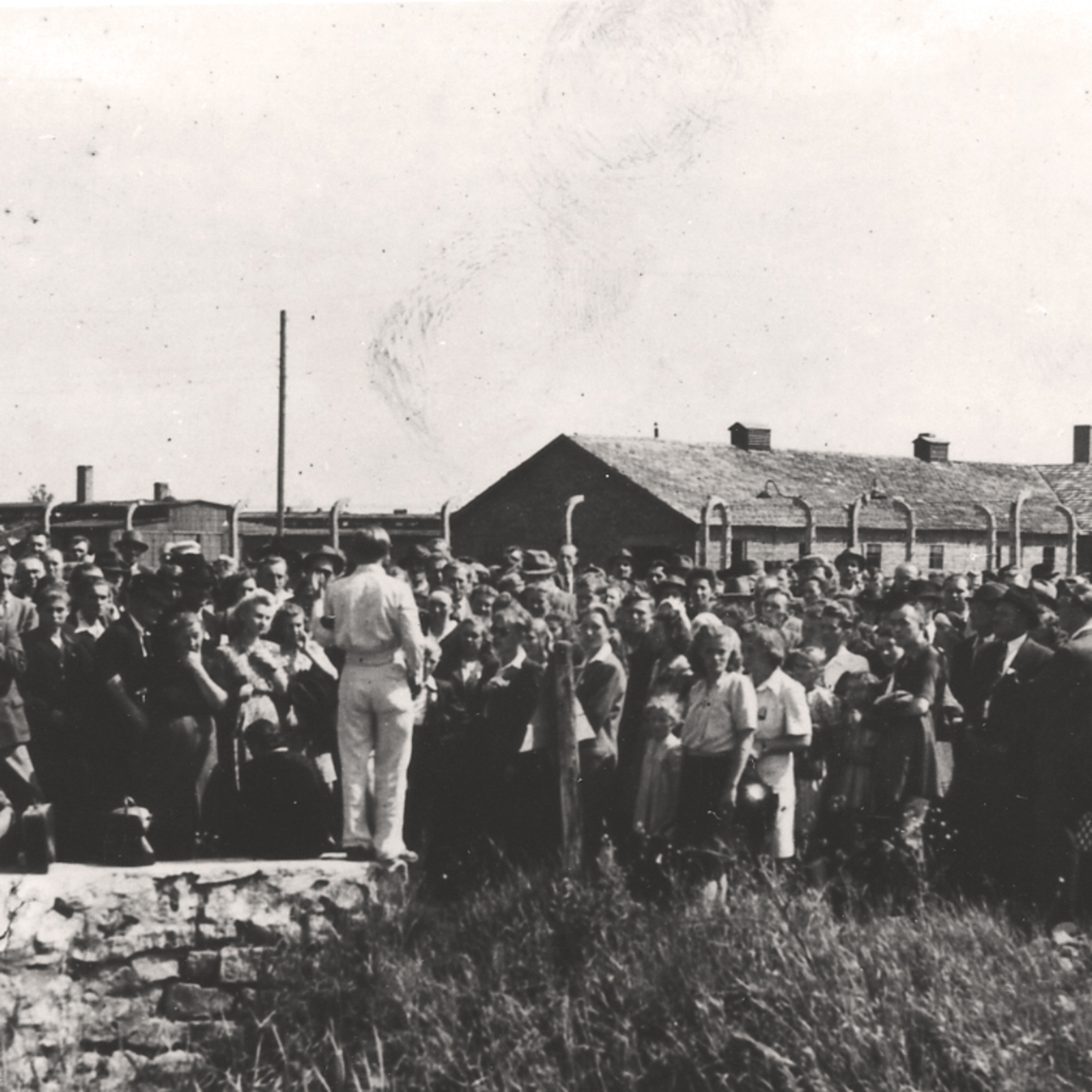
"On Auschwitz" (61): History of education at the Auschwitz Memorial
Education at the Auschwitz Memorial has been carried out since the Museum was established in 1947, and the first guides were Survivors who told visitors about the tragic history of the camp from their personal perspective. It was due to the efforts of the Survivors that the International Center for Education about Auschwitz and the Holocaust was established in 2005. Krystyna Oleksy, the first dire

"On Auschwitz" (60): Paragraph 175 prisoners in Auschwitz
Paragraph 175 of the German Penal Code criminalized homosexual contacts between men. One possible punishment was imprisonment in a concentration camp. Also at Auschwitz, there was a small group of men convicted of homosexuality. Dr. Agnieszka Kita, deputy head of the Auschwitz Museum Archives, talks about the persecution of homosexual men in Nazi Germany and the postwar memory of their fate.Englis

“On Auschwitz”: First Transport of Poles to Auschwitz in the accounts of Survivors
On June 14, 1940, the Germans deported a group of 728 Poles from a prison in Tarnow to Auschwitz. Among them were soldiers of the September campaign, members ofunderground independence organizations, high school and university students, as well as a small group of Polish Jews. They were registered with nos. from 31 to 758. The podcast "On Auschwitz" presents fragments of testimonies of:- Kazimierz

"On Auschwitz" (59): Block no. 10 in Auschwitz I and sterilization experiments
Block 10 at the Auschwitz I camp was the so-called experimental block. SS doctors conducted medical experiments there, including those focused on sterilization. Why was this particular block chosen for such experiments, who were the doctors working there, and what happened to their victims? These questions are explored by Teresa Wontor-Cichy from the Research Center of the Museum.Voiceover: Theres

"On Auschwitz" (58): Day of a prisoner at Auschwitz
The Auschwitz camp did not have a homogeneous character and was constantly changing during its operation. Dr Jacek Lachendro of the Auschwitz Museum Research Centre talks about what everyday life was like for Auschwitz prisoners, from the morning roll-call, through the hunger that accompanied them all the time, to working beyond their strength. Voiceover: Ian Manger, Tom VamosIf you find value in

"On Auschwitz" (57): Conservation at the Auschwitz Museum
The Auschwitz Memorial covers nearly 200 hectares of land and includes about 300 ruins and 155 buildings, but also a huge number of historical objects, primary traces of Victims of Auschwitz: shoes, suitcases, brushes, or kitchen utensils. Nel Jastrzębiowska and Andrzej Jastrzębiowski from the Conservation Laboratories of the Auschwitz Museum explain how these priceless items are preserved and tal
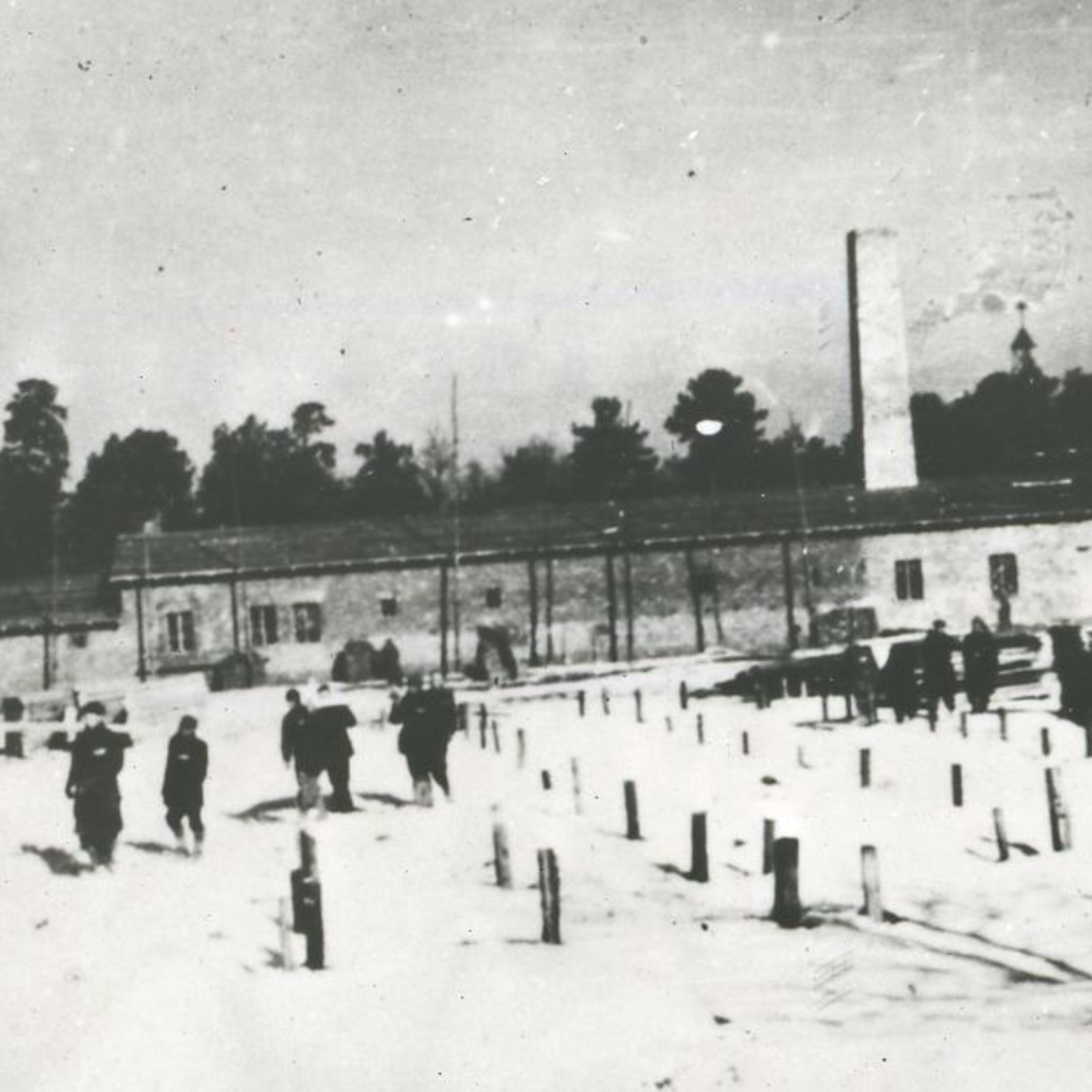
"On Auschwitz" (56): Holocaust denial - strategies of lies and distortion
Holocaust denial is nothing more than a conspiracy theory built on lies and hatred. Although it resembles flat-Earth claims in its approach to facts, it is, in reality, a dangerous and vile vehicle for antisemitism and hatred. Deniers ignore or manipulate facts solely to attack the memory of the Victims.Dr. Piotr Setkiewicz and Dr. Igor Bartosik delve into the strategies employed by Holocaust deni

"On Auschwitz" (55): The Evacuation and Liberation of Auschwitz in the Accounts of Witnesses
Some 7,500 prisoners of the German Nazi camp Auschwitz, including over 500 children, were liberated on January 27, 1945 by Red Army soldiers.
Listen about the last days of the camp's operation and the moment of liberation. The podcast includes testimonies of:
Anna Tytoniak
Kazimierz Smoleń
Lea Shinar
Irena Konieczna
Józef Tabaczyński
Wanda Błachowska-Tarasiewicz
Louis Posner
Jakub Wolman
Zof
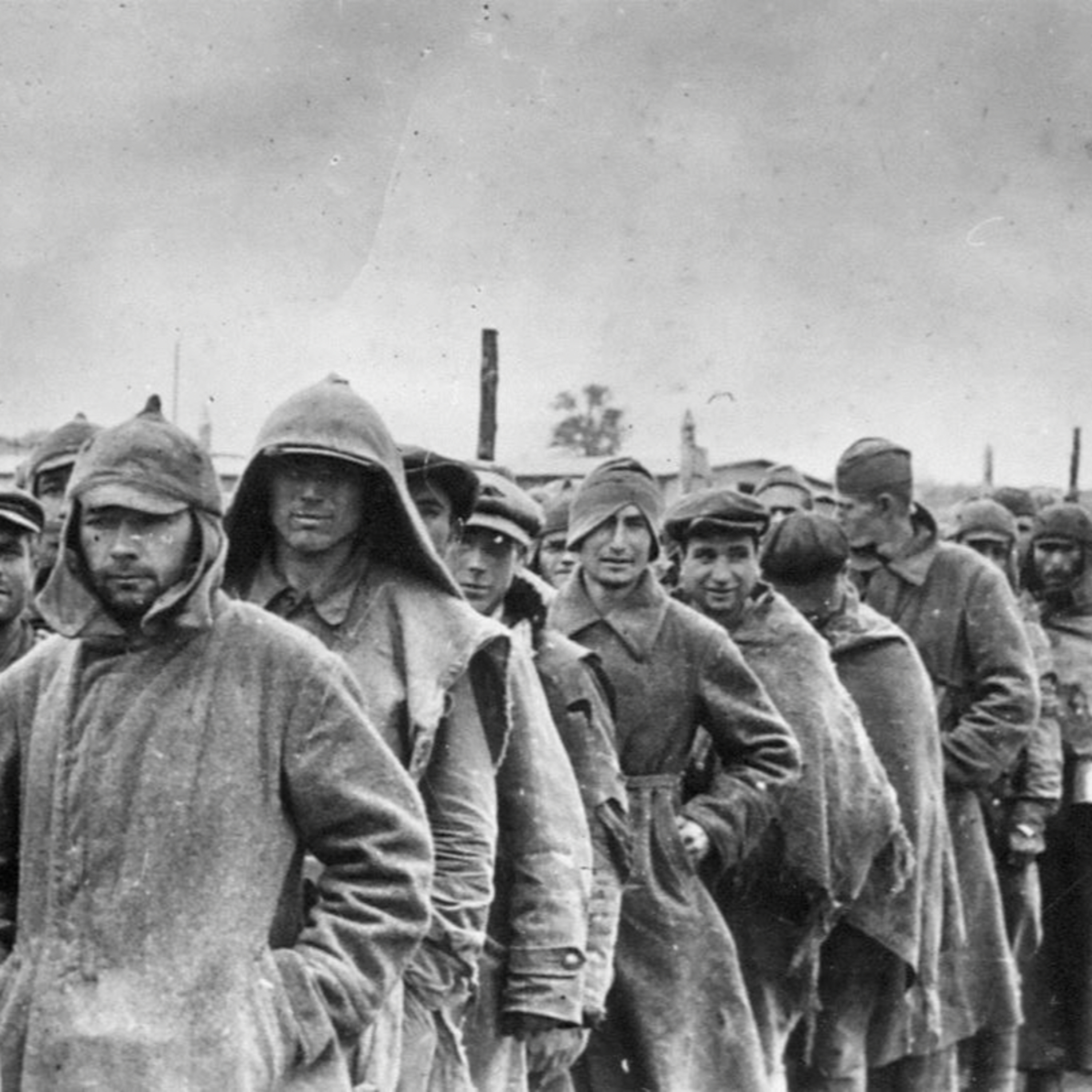
"On Auschwitz" (54): Soviet prisoners of war at Auschwitz
Soviet prisoners of war are the fourth largest group of victims of the German Auschwitz camp, after Jews, Poles and Roma. A total of 11,964 prisoners of war were registered at the camp. In addition, according to estimates, at least 3,000 Red Army soldiers were deported to the camp and murdered without being entered into the camp records.
Dr. Jacek Lachendro of the Museum's Research Center talks a

"On Auschwitz" (53): Registration documents of Auschwitz prisoners
Upon admission to the camp, prisoners underwent a registration process, during which various documents related to the individual were filled out. Dr. Wojciech Płosa, head of the Auschwitz Museum Archives, talks about the details of this process.
We wish to thank Toon Dressen for recording the English voiceover.

"On Auschwitz" (52): Doctor Josef Mengele and his experiments in the camp
Josef Mengele was a doctor of medicine and philosophy, an assistant to Prof. Otmar von Verschuer in the Institute for Hereditary Biology and Racial Hygiene in Frankfurt, member of the Nazi Party and the SS.
In Auschwitz, he was the chief physician in the Roma and Sinti Family Camp in Birkenau, and from August to December 1944, he was also the chief physician of the entire Birkenau camp.
Mengele

"On Auschwitz" (51): Illegal letters sent by Auschwitz prisoners
Prisoners of Auschwitz were able to send various types of illegal messages—both within the camp and outside the barbed wire fences. Some were short letters addressed to family members; others were messages and reports for underground resistance organizations. Dr. Wojciech Płosa, the head of the Auschwitz Museum Archives, discusses this unique collection of documents.
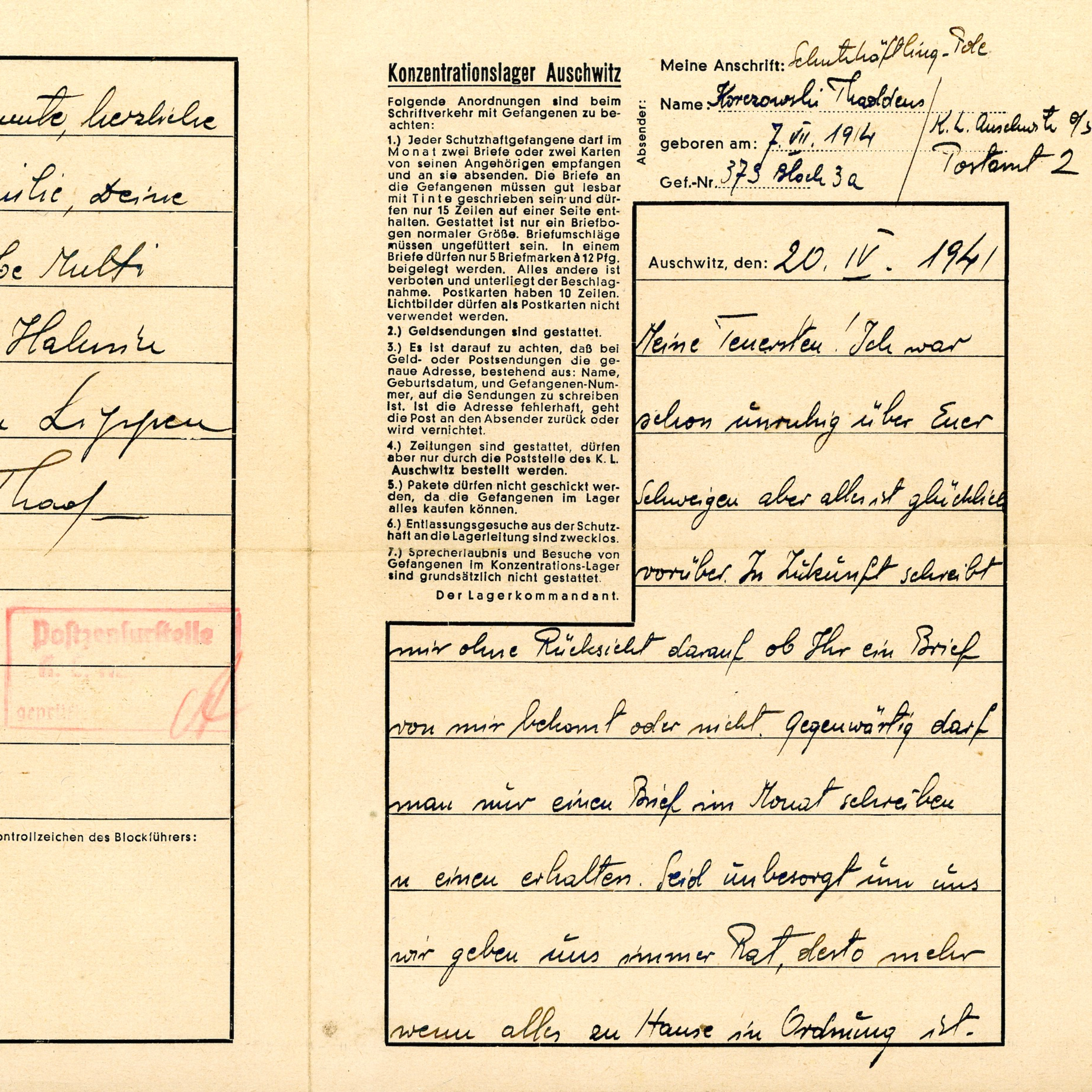
"On Auschwitz" (50): Official correspondence of prisoners of Auschwitz
Nazi Germany deported some 1,3 million people to Auschwitz. Only a little above 400 thousand were registered in the camp as prisoners. Some could conduct correspondence with the outside world, however it had a unique character.
Dr. Wojciech Płosa, the head of the Archives of the Museum talks about official prisoners’ correspondence: letters and postcards sent out from the camp and sent to the cam

"On Auschwitz": Interview with Auschwitz Survivor Bogdan Bartnikowski on the 80th anniversary of his deportation to the camp.
Bogdan Bartnikowski was born in Warsaw in 1932. During the Warsaw Uprising, he and his mother were expelled from their home. The Germans initially sent them to a transit camp in Pruszków, and then deported them to Auschwitz where they were separated.
On January 11, 1945, both were evacuated to Berlin-Blankenburg, where they were imprisoned until their liberation on April 22, 1945. After this, they

"On Auschwitz" (49): Deportations of Polish people from the uprising Warsaw to Auschwitz
In August and September 1944 - after the outbreak of the Warsaw Uprising - almost 13,000 inhabitants of the occupied capital city and surrounding towns: men, women, the elderly, children, even infants, were deported to Auschwitz by the German authorities. Dr. Wanda Witek-Malicka of the Auschwitz Museum Research Centre talks about their fate in the camp.
---
We wish to thank Kate Weinrieb for he

"On Auschwitz" (48): Good examples of literature dedicated to the history of Auschwitz camp.
The first publications about Auschwitz were published during the war, while the camp was still in operation. The immediate postwar years also abounded in numerous publications by witnesses-Survivors of those events. Dr. Wanda Witek-Malicka of the Auschwitz Museum Research Center discusses the advantages of literature written by direct witnesses over literary fiction inspired by the subject of Ausc

"On Auschwitz" (47): Functionary prisoners at Auschwitz
In the German concentration camps, including Auschwitz, there was a group of so-called ‘functionary’ prisoners, responsible for supervising other prisoners. They were mainly in charge of supervising the work units, keeping order in the blocks or barracks, but also distributing food among the prisoners.
Being a lageraeltester, a block leader, or a kapo meant almost unlimited power over the prison

On Auschwitz (46): Tattooing numbers at Auschwitz
Auschwitz was the only German concentration camp where tattooing of numbers was applied to prisoners. Dr. Wanda Witek-Malicka of the Auschwitz Museum Research Center talks about why and when such a system was introduced, and whether all prisoners of Auschwitz were tattooed.
We wish to thank Kate Weinrieb for her help in the production of the English version of the podcast.

"On Auschwitz" (45): The story of Witold Pilecki, co-founder of resistance in Auschwitz
Polish soldier, Witold Pilecki was imprisoned in Auschwitz on 22 September 1940.
Pilecki undertook the mission to infiltrate the camp in order to create a conspiracy network there, organize communications, send reliable data about German crimes in the camp, and possibly prepare the camp's prisoners for a possible fight.
In April 1943, Witold Pilecki escaped with two fellow inmates. He wrote r
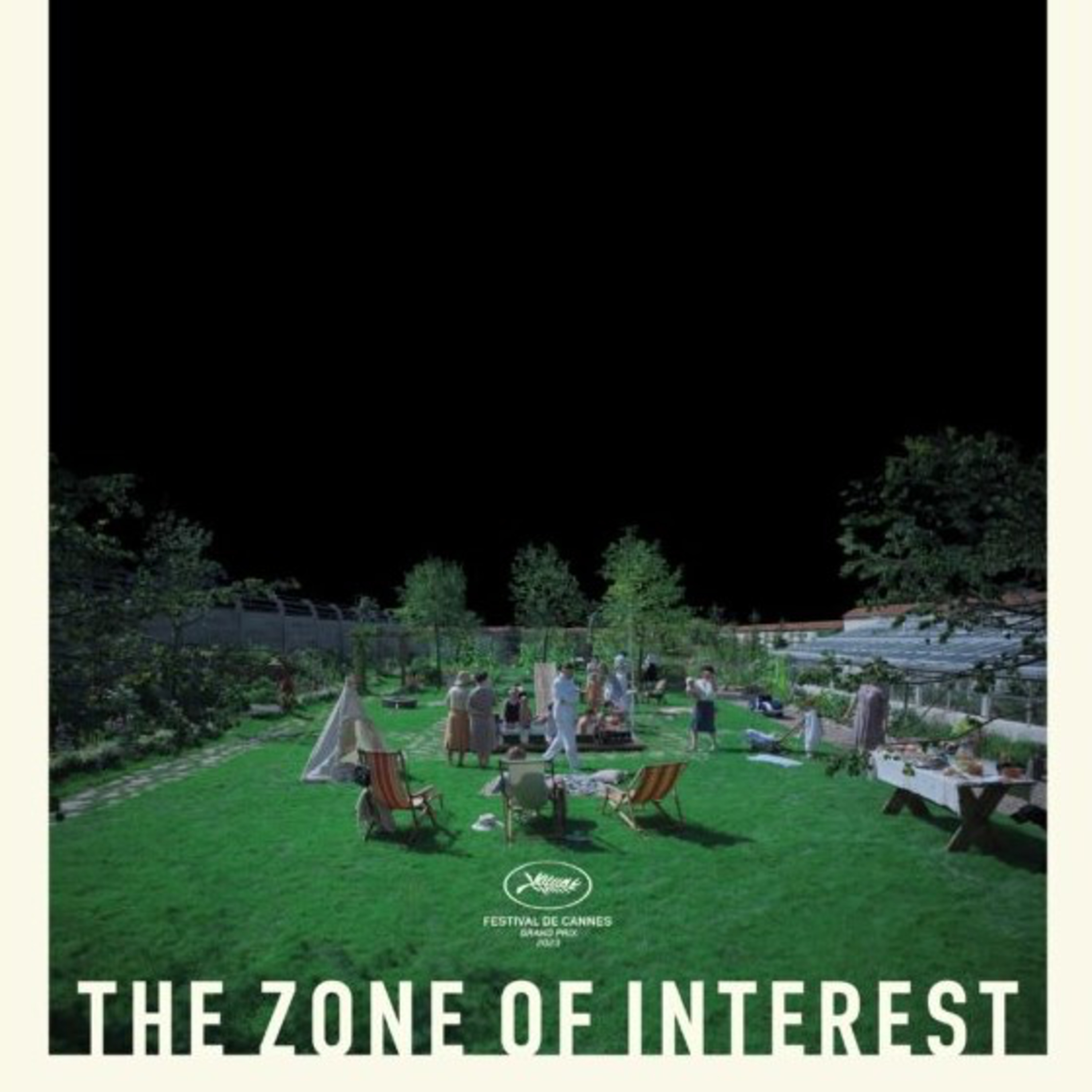
"The Zone of Interest" - discussion with the filmmakers
On 15 February 2024, the Polish premiere of the film 'The Zone of Interest,' directed and written by Jonathan Glazer, was held at the Auschwitz Museum. The film, depicting the family life of Auschwitz camp commandant Rudolf Höss, was awarded the Grand Prix at the Cannes Film Festival last year. It also received two Oscars.
Director Jonathan Glazer, production designer Chris Oddy, and produ

"On Auschwitz" (44): Women at Auschwitz
The Auschwitz camp was established in June 1940 for male prisoners. The first groups of women were incarcerated by the Germans more than a year and a half later - at the end of March 1942. Dr. Wanda Witek-Malicka and Teresa Wontor-Cichy of the Museum Research Centre talk about the reasons for the creation of the women's camp in Auschwitz and the circumstances surrounding it.
We wish to thank

"On Auschwitz" (43): the film Chronicle of liberation of Auschwitz
The Auschwitz camp was liberated on January 27, 1945, by soldiers of the Red Army. Well-known are the scenes captured by Soviet cameramen, which, although not showing the exact moment of liberation, are important documents revealing the crimes committed by the Germans in Auschwitz.
It is essential to remember that some of the film material was created for propaganda purposes. Edyta Chowaniec from

"On Auschwitz" (42): Death Marches from Auschwitz towards Wodzisław Śląski and Gliwice
On January 17, 1945, SS men began the evacuation of the Auschwitz camp. Approximately 56,000 prisoners – men and women marched, under armed escort, from different parts of the Auschwitz camp complex, towards Wodzisław Śląski and Gliwice. Thousands of people, during the so-called Death Marches, lost their lives. Dr. Jacek Lachendro and Teresa Wontor-Cichy from the Research Center of the Auschwitz M

"On Auschwitz" (41): Art at Auschwitz
The Auschwitz Memorial and Museum is in possession of the largest collection of art related to the Auschwitz camp. This collection is unique on a world scale. The artworks created in conditions of extreme danger are an extraordinary document of history and time that still stir the emotions to this day.
They enable one to discover the feelings and emotions, difficult to reconstruct today, that acc
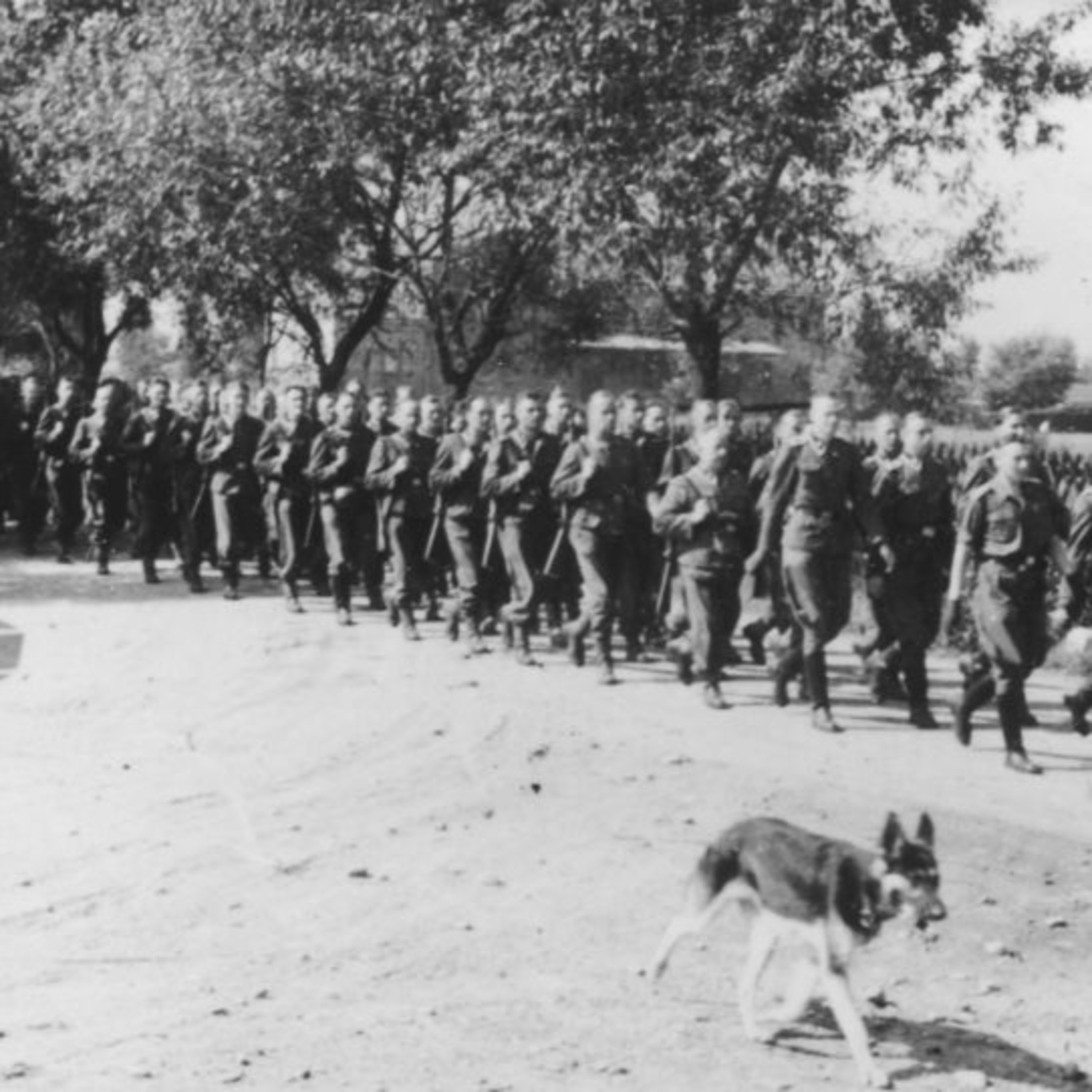
"On Auschwitz" (40): Why prisoners of Auschwitz did not start a revolt?
One of the important questions about Auschwitz is why the prisoners, who outnumbered the SS guards, did not make an attempt of a general revolt or uprising.
Dr. Piotr Setkiewicz and Dr. Wanda Witek-Malicka of the Museum Research Center discuss the first encounter of prisoners with the realities of the camp, their adaptation to the conditions of existence and the possibilities of initiating a revo

"On Auschwitz" (39): Keeping the functioning of Auschwitz in secrecy
Although the SS took various measures to keep the functioning of the camp secret, especially when Auschwitz became both a concentration camp and extermination center, news about the camp got out.
Dr. Piotr Setkiewicz, the head of the Museum Research Centre, talks about how information about Auschwitz could reach the world.

"On Auschwitz" (38): Women supervisors at Auschwitz
Over two hundred women served the SS in KL Auschwitz. They were divided into three groups according to the duties they performed: the biggest group constituted the so-called Aufseherinnen, whose main task was to watch over women prisoners; the second group was formed by women employed in communication services described as SS-Helferinnen working in SS headquarters offices as radiotelegraph operato

"On Auschwitz" (37): Different cases of organized resistance at Auschwitz
In the history of Auschwitz, there were instances when prisoners tried to resist. The most famous event is the Sonderkommando revolt that took place at Auschwitz II-Birkenau on 7 October 1944. This story is told in episode 21 of our podcast.
However, there were other cases of prisoners organising resistance in order to attack SS members, or to escape. These included:
-) the revolt and escape of pr

"On Auschwitz" (36): The story of Sophie Stippel, the cook of Auschwitz commandant Rudolf Höss
One of the prisoners in the first transport of women to Auschwitz - 999 women transferred from Ravensbrück concentration camp in March 1942 - was Sophie Stippel. She was registered as prisoner number 619.
She was arrested because she belonged to the group of Jehovah's Witnesses.
A few days after arrival, Sophie was employed as a domestic helper in the villa of the camp commandant, Rudolf Hös

"On Auschwitz" (35): Plunder of the property of Auschwitz victims
One of the elements of the operation of the Auschwitz camp was looting of the property of people deported to the camp. This was most intensified when Nazi Germany began the extermination of Jews at Auschwitz.
Most of the property - after being sorted and disinfected - was sent to the Third Reich, where it was handed over to various groups of the German population, organizations and institutions.

"On Auschwitz" (34): The first moments at the Auschwitz camp
You have arrived not at a sanatorium but at a German concentration camp in which the only way out is through the chimney. If someone doesn’t like this, he may at once go to the wires. If there are any Jews in this transport, they have no right to live longer than two weeks. If there are any priests, they may live for a month, the rest only three months.
This is how the speech given by Auschwitz ca

"On Auschwitz" (33): Creation of the Auschwitz Memorial
After the liberation of Auschwitz, its two main parts - the former main camp (Auschwitz I) and Auschwitz II-Birkenau - were first placed under the control of the Soviet military authorities. In the first of these, from February to September 1945, Soviet field hospitals and the Polish Red Cross hospital operated, where most of the surviving prisoners were treated. A transit camp for German prisoner

"On Auschwitz" (32): Documents analysis: how Auschwitz camp attempted to transfer 30 women prisoners from Ravensbrück
The analysis of the surviving documents of the camp administration makes it possible, on the one hand, to trace how the centralised concentration camp system administered by the SS in Nazi Germany functioned, while, on the other hand, it also shows various aspects of the functioning of the camp itself and the members of its garrison.
One example is the surviving correspondence concerning the atte

"On Auschwitz" (31): Christian clergy at Auschwitz
The Germans incarcerated at least 464 priests, seminarians & monks as well as 35 nuns in #Auschwitz. Teresa Wontor Cichy, from the Museum’s Research Center talks about the fate of Christian clergy and about religious life in the camp.
See also our online course: http://lekcja.auschwitz.org/en_18_duchowienstwo/

"On Auschwitz" (30): Why the Auschwitz camp was not bombed?
The Auschwitz II-Birkenau gas chambers and crematoria never became targets for Allied bombing, despite reports about their existence forwarded both by the Polish resistance movement and some people who escaped from the camp. Instead, American bombers carried out several strikes against the IG Farben petrochemical installations located at the distance of seven kilometers from Auschwitz.
Dr. Piotr

"On Auschwitz" (29): British prisoners of war near the Auschwitz camp
One of the groups of witnesses to the crimes perpetrated at the concentration and extermination camp Auschwitz were British prisoners of war who were forced to work on the construction of the IG Farbenindustrie factory. The building site was located in the immediate vicinity of the Auschwitz III-Monowitz camp and a few kilometers from the Auschwitz I main camp. British prisoners of war were also e

"On Auschwitz" (28): Liberation of the Auschwitz camp
On 27 January 1945, Red Army soldiers liberated over 7,000 prisoners of the Auschwitz. The 1,689-day history of this concentration and extermination camp came to an end. Dr Jacek Lachendro of the Museum Research Centre tells us what the last days of Auschwitz looked like and what happened immediately after the liberation.
See also our online lesson about evacuation, liquidation and liberation of

"On Auschwitz" (27): Liquidation of the Auschwitz camp
In the second half of 1944, due to the Red Army successes and the advancing Eastern Front, the SS authorities in Auschwitz decided to evacuate some 65,000 prisoners to camps in the German Reich interior. At the same time, they began to destroy the evidence of the crimes committed in the camp. Dr. Jacek Lachendro from the Research Center of the Museum talks about the last period of the operation of

"On Auschwitz" (26): Deportations of Poles from the Zamość region to Auschwitz
After Germany attacked the Soviet Union in June 1941. Heinrich Himmler gave the order to create a "German settlement area" around the occupied Polish town of Zamość. The population of that region was to be expelled and replaced by German settlers.
The area was chosen for its agricultural character. It consisted of five towns and 696 villages.
The displaced population was sent to transit camps, whe

The interview with Dr. Maria Zalewska, editor of the cookbook "Honey Cake & Latkes: Recipes from the Old World by the Auschwitz-Birkenau Survivors"
Listen to the interview with Dr. Maria Zalewska who is the editor of a unique cookbook "Honey Cake & Latkes: Recipes from the Old World by the Auschwitz-Birkenau Survivors".
"More than a cookbook, this collection of heirloom recipes conveys Auschwitz-Birkenau survivors’ stories through the mnemonic lens of cooking and food. Collected and edited during the pandemic, this book—in the words of R

"On Auschwitz" (25): Orchestras at Auschwitz
The camp orchestra played for the first time at the German camp Auschwitz at the beginning of January 1941. Initially there were seven musicians there, but the ensemble grew very quickly. The main task was to play military marches to the rhythm of which the prisoners marched as they left for work and returned to the camp. The orchestra also gave concerts for the SS garrison members and prisoners.
"On Auschwitz" (24): New Research on the History of Auschwitz
It might seem that we already know everything about the history of places such as Auschwitz, because several decades have passed since the events and we have access to a great many documents and thousands of testimonies. However, this is not true. We are constantly learning new facts about the history of the camp, as Dr. Piotr Setkiewicz, the head of the Memorial Research Centre, explains in our p

"On Auschwitz" (23): the sacrifice and death of father Maximilian Kolbe
At the end of July 1941 the camp commander Karl Fritzch selected 10 hostages from among the prisoners in Block 14 in retaliation for the escape of a prisoner. He condemned them to death by starvation in the bunker of Block 11.
During the selection, a Polish prisoner who was a Franciscan monk and missionary, Maksymilian Kolbe (no. 16670), stepped out of link and asked the camp commander to take him

"On Auschwitz" (22): The Archives of the Auschwitz Memorial
The Archives of the Auschwitz Memorial collect, preserve, and provide access to documents and materials connected mainly with the history of the Auschwitz camp.
The collection includes original German camp records, copies of documents obtained from other institutions in Poland and abroad, source material of postwar provenance (memoirs, accounts by survivors, material from the trials of Nazi war cr

"On Auschwitz" (21): The Revolt of Sonderkommando Prisoners
On October 7, 1944 a revolt took place at the Auschwitz II-Birkenau camp, in the Sonderkommando - the special work unit that consisted mainly of Jewish prisoners whom the Germans forced to work in gas chambers, burning pits areas and crematoria. Dr. Igor Bartosik of the Auschwitz Memorial Research Center talks about the background of resistance of the Sonderkommando and the revolt itself.
In the p

The interview with Dr. Piotr Cywiński about his book "Auschwitz. A Monograph on the Human".
“Auschwitz. A Monograph on the Human” is a new book by the Auschwitz Museum Director Dr. Piotr Cywiński. It is the first attempt - on a global scale - to delve so deeply into human emotions inside the camp. It is a must-read for those seeking to understand what Auschwitz was all about.
The gathering of materials and work on the publication took almost six years. Piotr Cywiński analysed nearly 250

"On Auschwitz" (20): SS garrison in the Auschwitz camp
During the time of operation of Auschwitz, some 8,100-8,200 SS men worked there as part of the camp garrison. In our podcast Dr. Piotr Setkiewicz, the head of Research Center of the Auschwitz Memorial, talks about functioning of the SS garrison in the Auschwitz camp complex, its organizational structure and everyday work in the management, functioning, and isolation of the camp.
We also recommend

"On Auschwitz" (19): registration photographs of Auschwitz prisoners
In the thousands of preserved registration photographs of Auschwitz prisoners, we can see faces of the men and women imprisoned in the camp.
Dr Wojciech Płosa, the head of Auschwitz Memorial Archives, talks about the history of these photographs.

"On Auschwitz" (18): sub-camps
The Auschwitz concentration camp had almost 50 sub‑camps. The largest of them had extensive administrative structures, separate hospital barracks, showers and even small crematoria. In the smaller ones, prisoners were locked up for the night in rooms or cellars—there were no fences or guard towers there and meals were delivered from the main camp. The majority of prisoners were employed in the arm

"On Auschwitz" (17): prisoners with purple triangles - Jehovah’s Witnesses in Auschwitz
Activities by the Jehovah’s Witnesses were banned in the Third Reich in 1933 because of the Witnesses’ religious principles and pacifistic views, as well as their organization’s international connections. As a result, many of them were imprisoned in concentration camps.
Teresa Wontor-Cichy from the Auschwitz Memorial Research Center talks about the history and fate of some 400 Jehovah’s Witnesses
"On Auschwitz" (16): The research on the number of victims of the camp
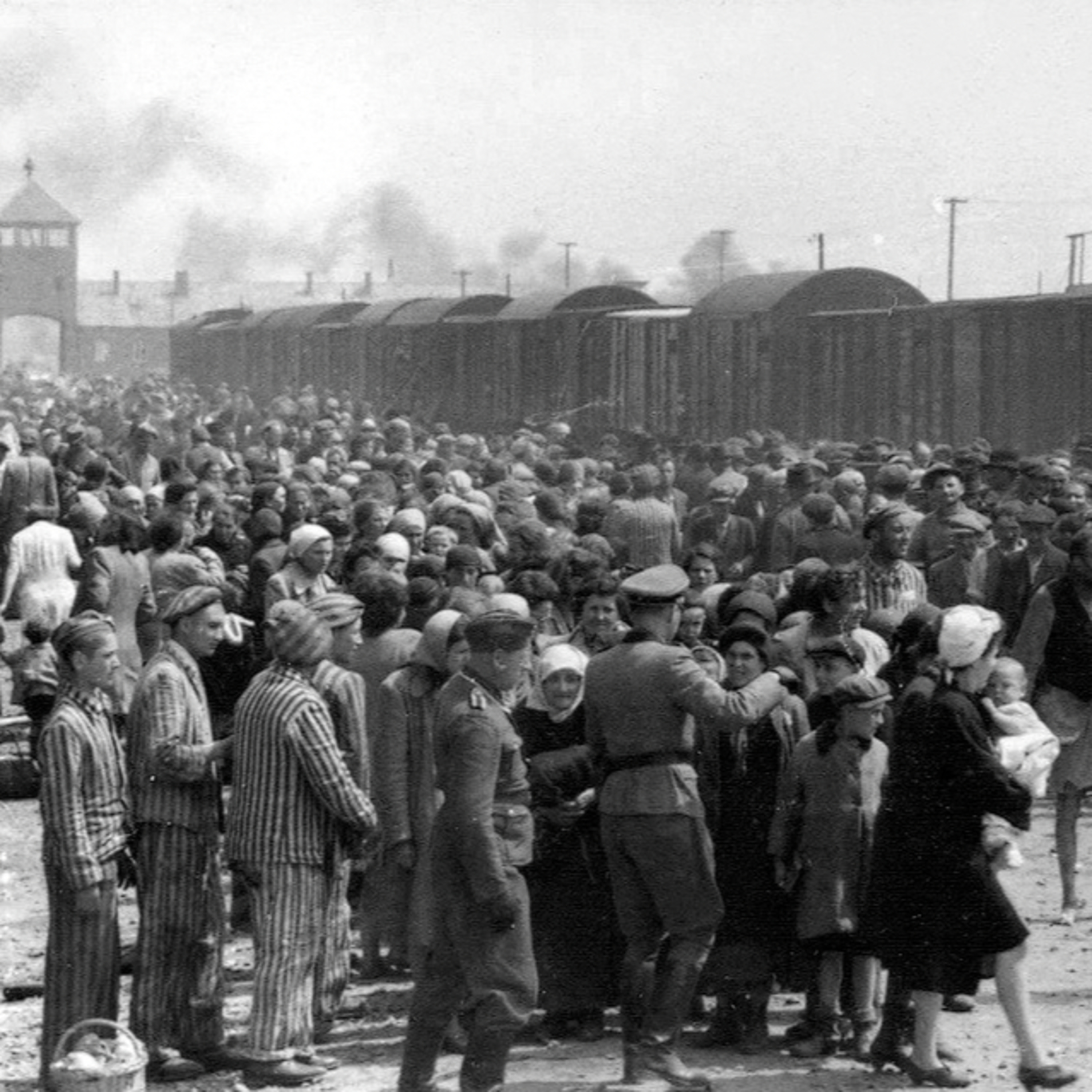
The historians of the Memorial today estimate, that the Germans murdered around 1,1 million out of 1,3 million people deported to Auschwitz.
Dr. Piotr Setkiewicz, the head of the Museum Research Centre, talks about the history of research on the number of Auschwitz victims.

"On Auschwitz" (15): The camp through eyes of a child
The fate children who were registered in Auschwitz as prisoners was no different in principle from that of adults. Just like them, they suffered from hunger and cold, were used as laborers, and were punished, put to death, and used as subjects in criminal experiments by SS doctors.
Dr. Wanda Witek-Malicka from Memorial’s Research Center talks about the Auschwitz camp through the eyes of a child.
-

"On Auschwitz" (14): Starvation and slave labour of Auschwitz prisoners
Two extremely important factors in the exhaustion, deprivation and destruction of prisoners at Auschwitz were hunger and hard slave labour.
Dr. Jacek Lachendro of the Auschwitz Memorial Research Centre talks in our podcast about this aspect of the camp's functioning.
---
Listen also to the podcast about living and sanitary conditions as well as camp clothing: https://anchor.fm/auschwitz-memorial/e

"On Auschwitz" (13): The fate of Sonderkommando prisoners
One of the darkest chapters of the history of Auschwitz is undoubtedly the story of the Sonderkommando - a group of prisoners, mainly Jews - forced by the Germans to work in gas chambers and crematoria of the camp.
Prisoners assigned to this unit, employed in places of mass extermination, could not refuse to do their work or ask to be transferred to perform other tasks in the camp. Failure to carr